

TRAVELLING ACROSS CHINA: ONE COUNTRY, MANY DIFFERENT WORLDS
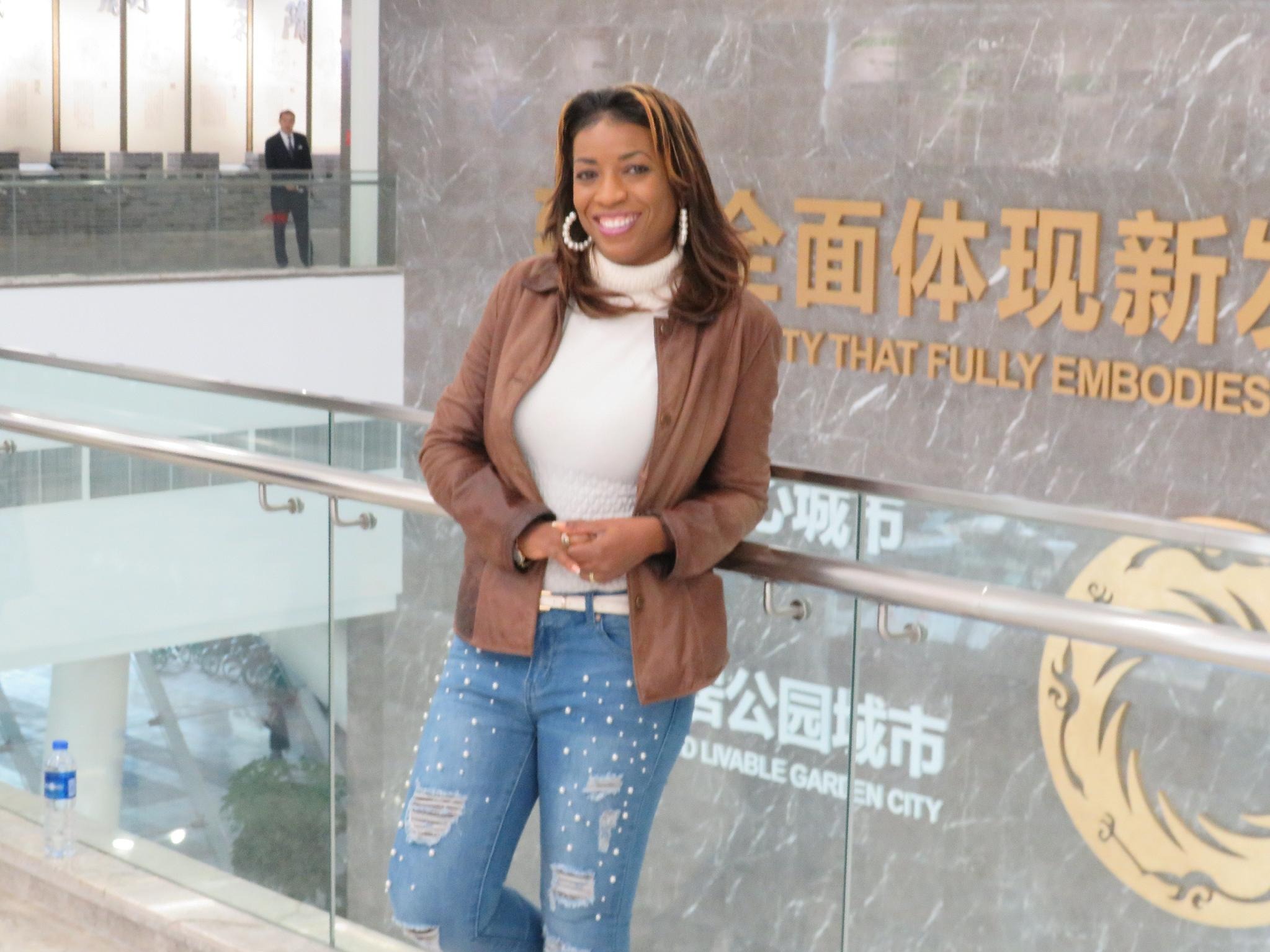
I have been to China more than once, and each time it feels new. That may be the most important thing I can say about travelling across China: one visit does not qualify any of us to speak as though we have somehow “done China.”
It amazes me how easily we can spend a few days in a country of more than a billion people, visit a handful of places, and return home speaking as though we understand the entire country. We do not even know every corner of our own countries. But I digress.
On this particular journey in 2019, my husband and I travelled as guests of the Government of China as part of an international programme on sustainable development and ecological civilisation in the context of the Belt and Road Initiative. Our group included participants from different countries and continents, and the itinerary moved us through Beijing, Chengdu and Shanghai before returning to Beijing. The formal programme included lectures, meetings, museums, environmental and industrial sites. The informal education was China itself.
And China kept changing.
China Is Too Large for One Story
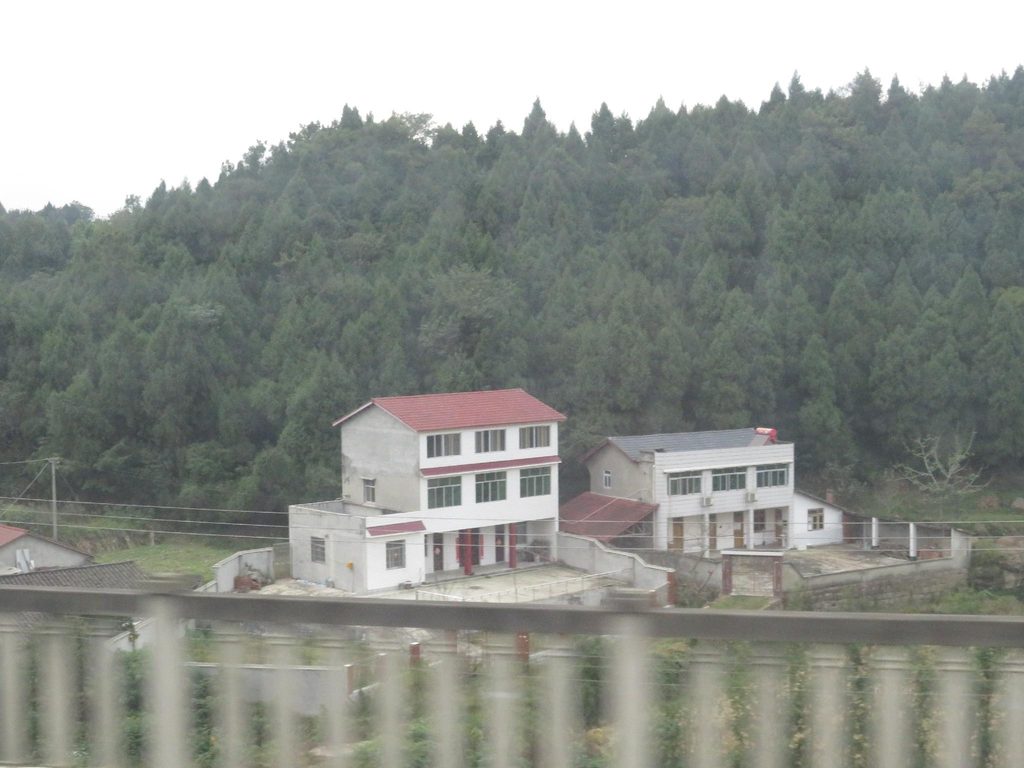
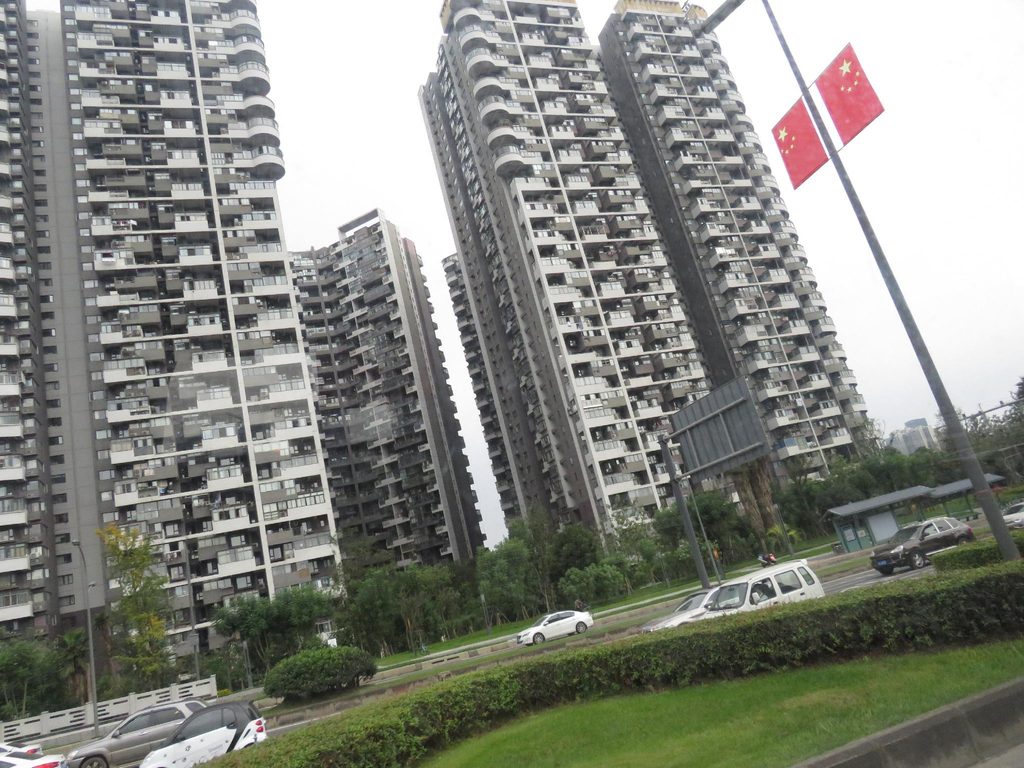
The differences from place to place were striking. Beijing felt historic, formal and monumental. Chengdu had a different rhythm, with the surrounding landscapes and parts of the programme giving me a much less metropolitan sense of China. Shanghai was something else again: polished, international, energetic and able to compete comfortably with the world’s great metropolitan cities.
That variation should not surprise us. In 2019, the year of this trip, China’s population was about 1.4 billion. A country of that scale cannot reasonably be reduced to one food, one personality, one city or one travel experience.
External authority source: World Bank – China population data
For me, that became one of the most valuable lessons of culturally immersive travel: arrive curious, observe carefully and resist the temptation to turn a personal experience into a universal conclusion.
Beijing: History, Scale and the Great Wall
Beijing gave us some of the images most people associate immediately with China. Our itinerary included Tian’anmen Square, the Great Wall and Olympic Park, alongside formal lectures and meetings.
The Great Wall was also one of those moments when travelling with a disability inside a group itinerary becomes interesting. The programme does not reorganise itself because your body has other plans. Sometimes you participate fully. Sometimes you adapt. And sometimes you become an exceptionally enthusiastic spectator.
My husband and others climbed the Wall while I cheered them on. I swear I had almost as much fun living vicariously through them.
Almost.
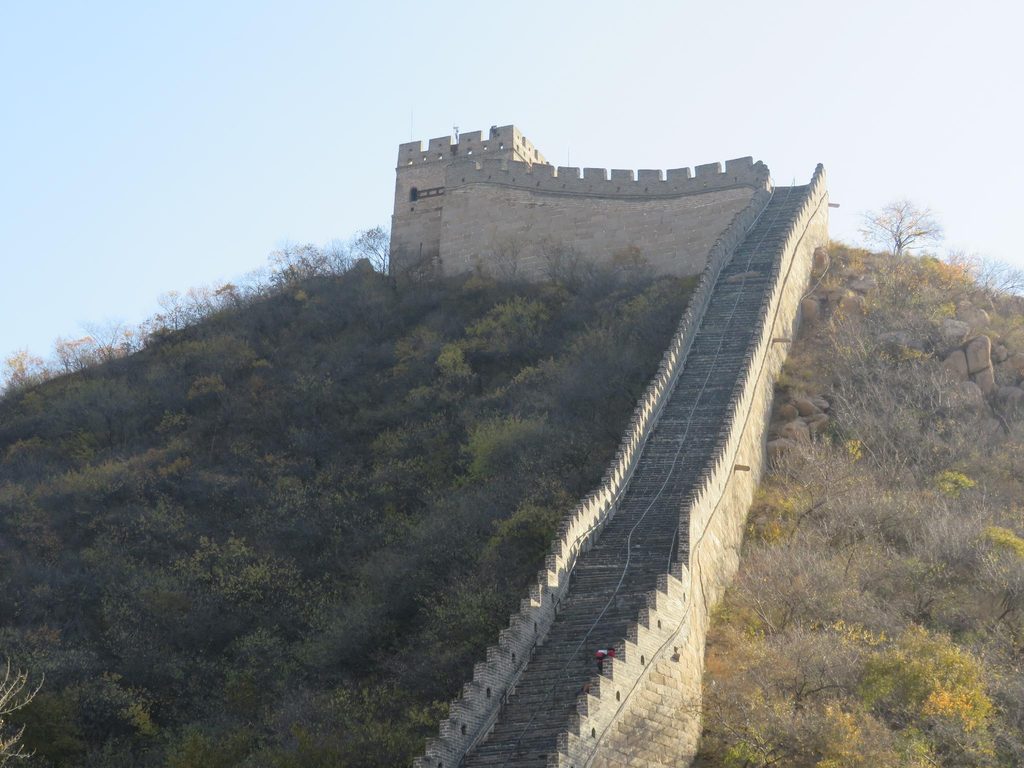
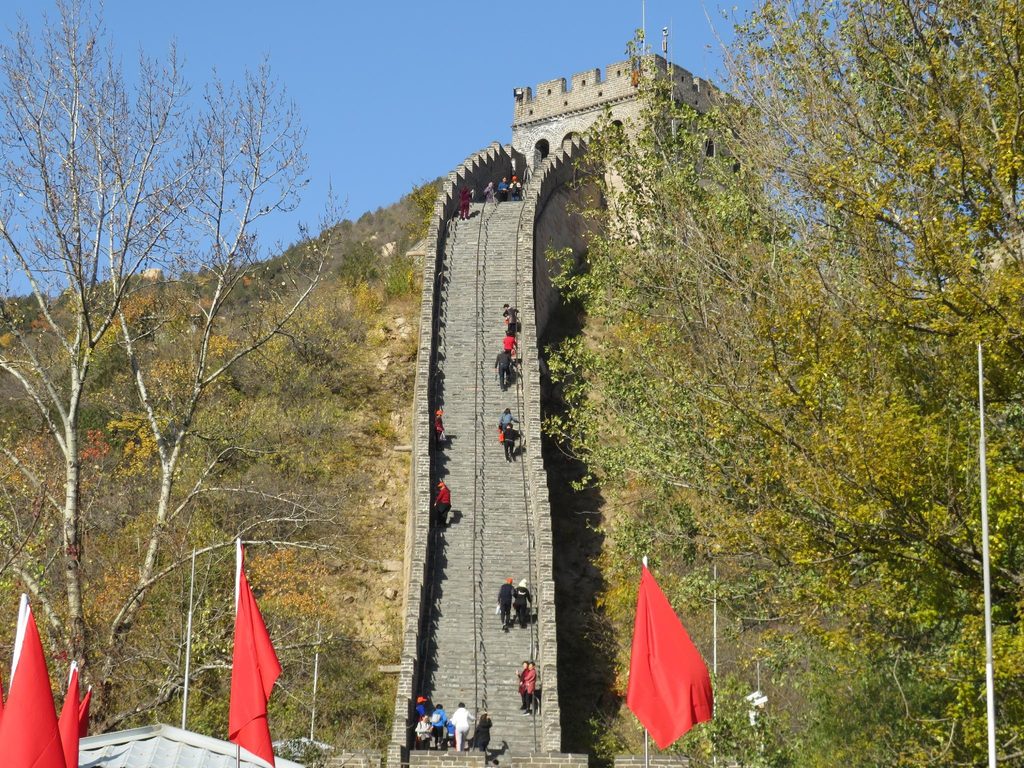
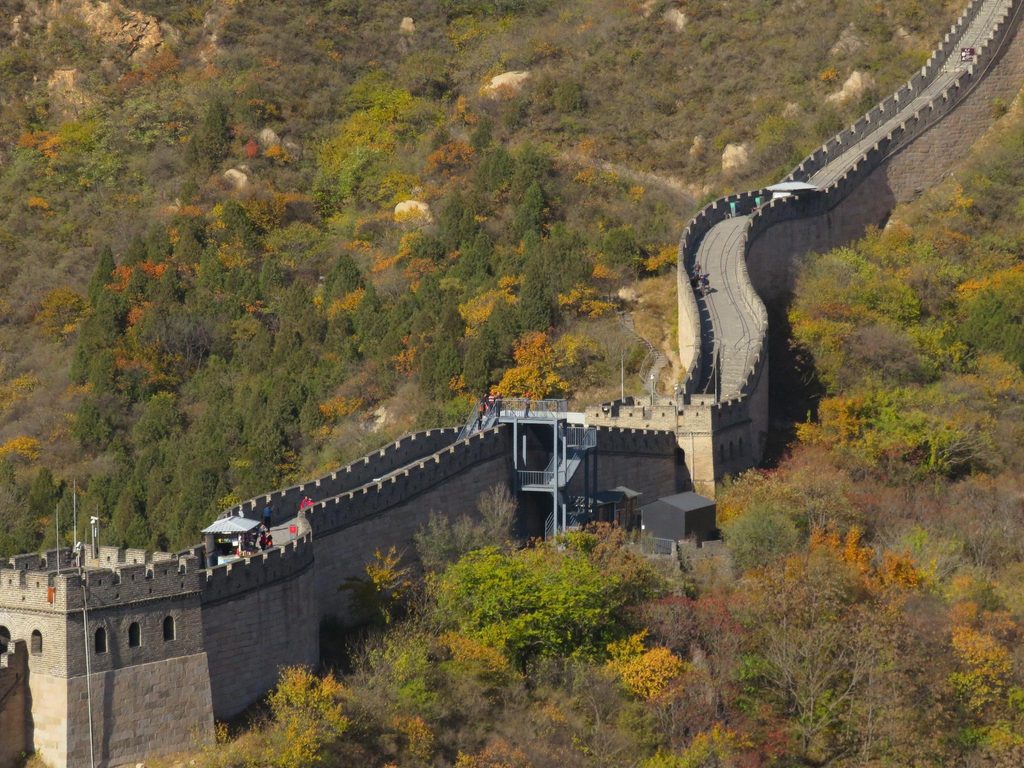
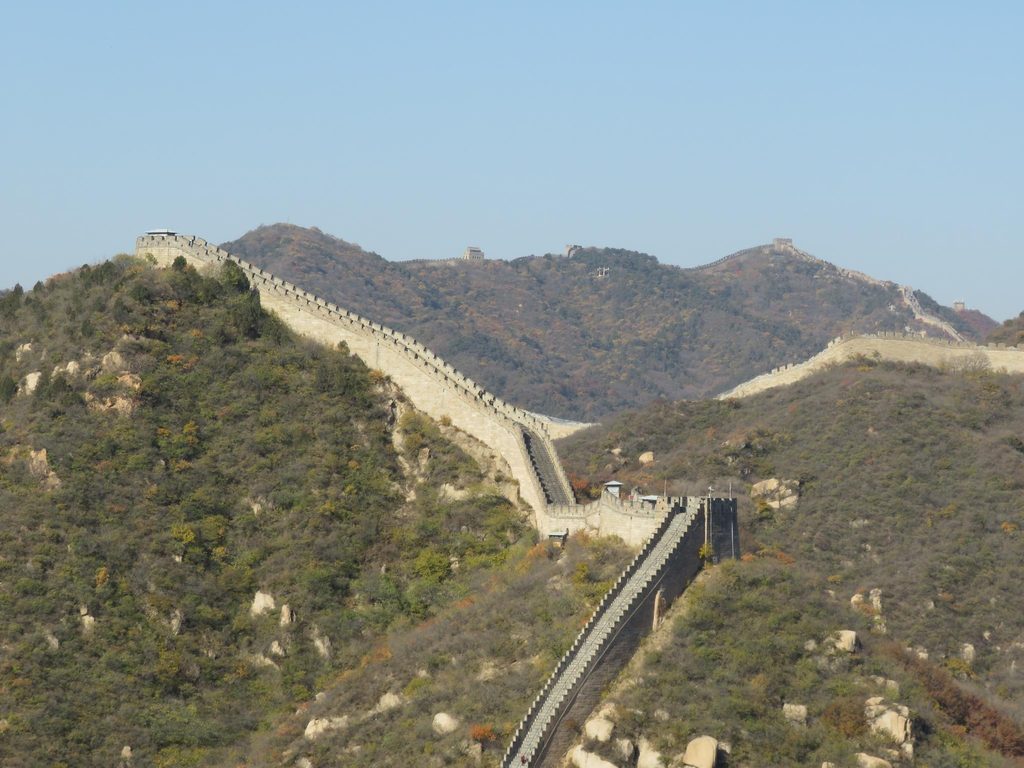
All right, I missed climbing it. A little. But I have learned that meaningful travel is not defined by whether I can physically complete every activity. Being there mattered. Watching my husband enjoy it mattered. Hearing everyone’s stories afterwards mattered. A body with limitations may change the route, but it does not have to cancel the experience.
Related Chali-A reading: Handicap & in Heels – living stylishly with physical limitations
Chengdu: A Different Rhythm and a Different Lens
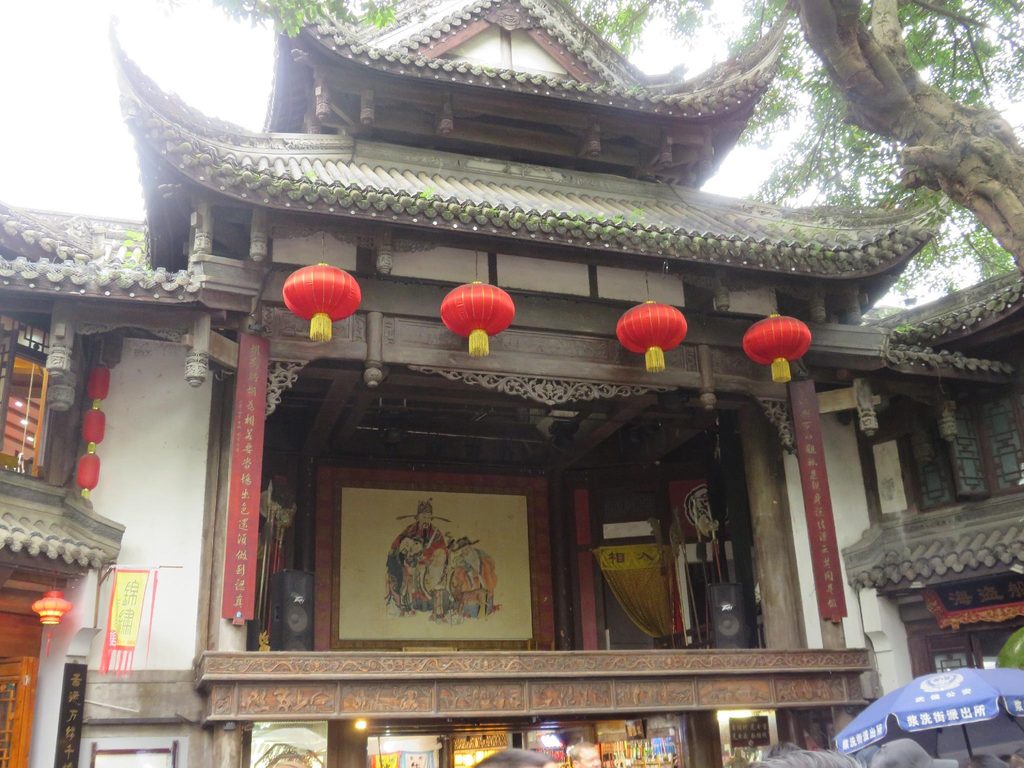
From Beijing we travelled by train to Chengdu. Our programme there included the City Planning Museum, Sichuan Provincial Museum and an environmental and energy-conservation visit. What stayed with me was not only what we saw, but how different the atmosphere felt from Beijing and later Shanghai.
This is where travel becomes more useful than a postcard. A country starts to acquire texture. You stop thinking of “China” as a single visual and begin noticing regional differences in pace, architecture, food, landscape and daily life.
Our itinerary was structured, so I would never pretend that I experienced every layer of Chengdu or Sichuan. That is precisely the point. Travel should make us more curious, not more certain.
The Train Stations Felt Like Airports
The railway experience deserves its own paragraph because some of the train stations felt, to me, more like airports in both operation and scale. There were large passenger flows, structured entry and boarding processes, identity checks, waiting areas and an extraordinary sense of movement.
Everything seemed to move quickly. Thousands of people could be going in different directions, yet the system felt highly organised. Today, China’s official guidance for foreign travellers explains that railway travel uses real-name ticketing and identity verification, with passports accepted for foreign passengers and ticket verification required for station entry and boarding. That formality helps explain why the experience felt so much closer to air travel than the smaller railway stations many visitors may know elsewhere.
External authority source: Government of China – guidance for foreign travellers using trains
The rail journey itself also gave us something flights often remove: a sense of the country between the destinations. Cities are impressive, but the spaces between them tell their own story.
Shanghai: China, Yet Another China
Then came Shanghai.
We travelled from Chengdu to Shanghai and spent several days there, visiting the Suzhou River environmental and industrial sites, the Bund, Cheng Huang Temple, a company and Nanjing East Road before taking the train back to Beijing.
Shanghai felt intensely metropolitan. The skyline, retail energy, architecture and pace made it feel familiar in the way global cities sometimes do. Yet it remained distinctly Chinese.
Even the food felt somewhat more familiar to me there than it had elsewhere on the trip. That is an observation from my own palate, not a declaration about Shanghai cuisine. Chinese food is highly regional, and what the world calls “Chinese food” is often an adaptation shaped by migration, local ingredients and local tastes.
Chinese Food in China Is Not the Chinese Food I Knew
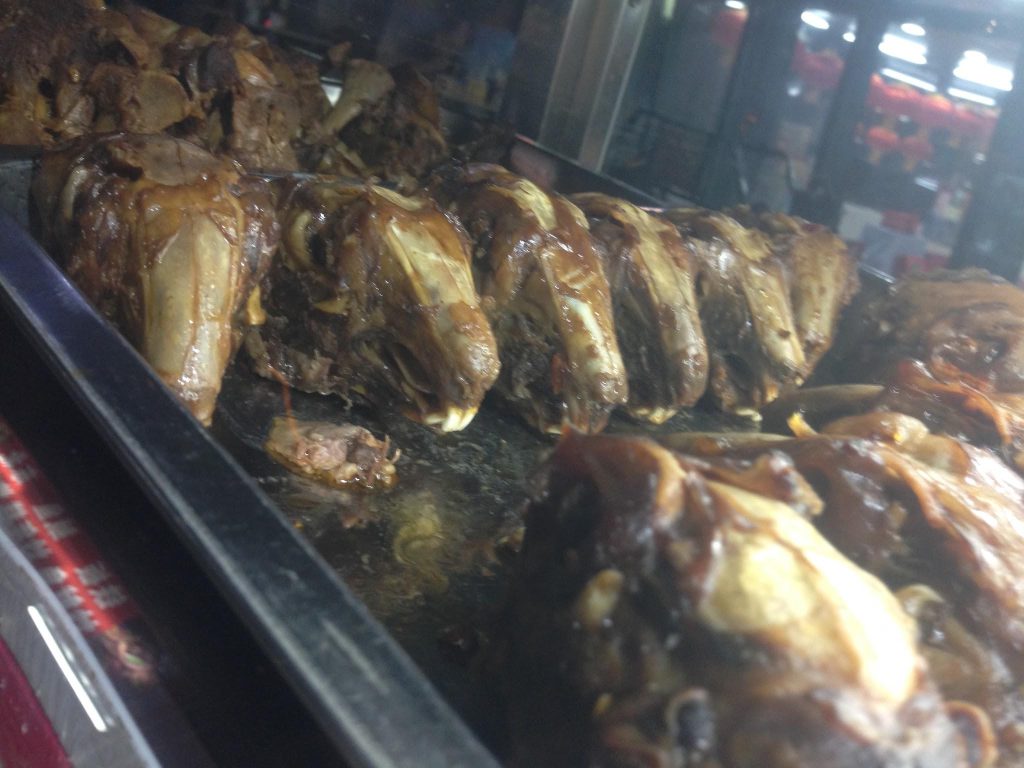
The Chinese food I ate in China tasted very little like the Chinese food I knew from Jamaica or the United States. That was fascinating at first and, if I am being completely truthful, occasionally inconvenient.
I eat largely Paleo. I will have a small serving of rice occasionally, but I generally eat little rice and avoid heavily processed foods. That meant my choices could become limited, particularly at the hotel. After several days I was thoroughly bored with my safe options.
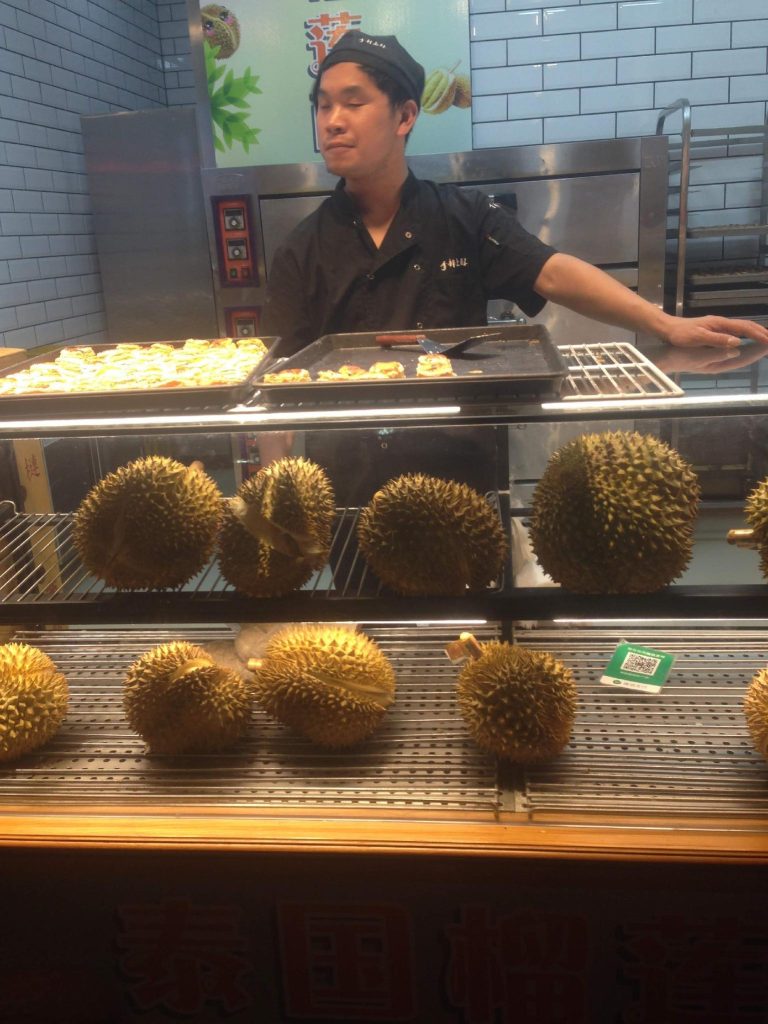
That experience was also a useful reminder: travelling well does not always mean eating everything simply because you are away. Cultural curiosity and listening to your own body can coexist. You can try new flavours, enjoy what works for you and still make choices that support how you need to feel.
Travel planning resource: Chali-A Must-Have Travel Items
Then the Hotel Became a Cultural Negotiation
One of my favourite stories from the trip has nothing to do with a landmark.
We arrived before the official start of winter, but the temperatures had dropped early. None of us had packed for serious cold. The hotel was beautiful, fabulous and freezing.
We asked for the air conditioning to be turned off and, ideally, for heat. The response from reception was essentially that it was not yet winter. We asked the hotel manager. The answer remained the same. I escalated to our chaperone. Again: winter had not officially started.
What fascinated me was the difference in assumptions. Our hosts seemed genuinely surprised that we kept questioning an answer that, from their perspective, was perfectly clear. We were equally surprised that the official timing of winter appeared to matter more than the fact that we were cold.
Everyone else in our contingent seemed increasingly resigned to freeze to a slow and dignified death. I was not.
For me, the cold was more than uncomfortable. When you live with chronic pain, being improperly dressed for low temperatures can make an already demanding travel day much harder. So I kept negotiating.
Eventually, we found a compromise: the air conditioning would be switched off until 10 p.m. and we would receive extra blankets.
Success.
What I loved about the encounter was that neither side needed to be made the villain. We were simply working from different expectations around rules, authority, service and when an instruction should be challenged. That is culture in practice: not a performance staged for tourists, but the small moments when two sets of assumptions bump into each other and everyone has to figure out what happens next.
When We Became Part of the Attraction
There were also moments when we, rather unexpectedly, became part of the attraction.
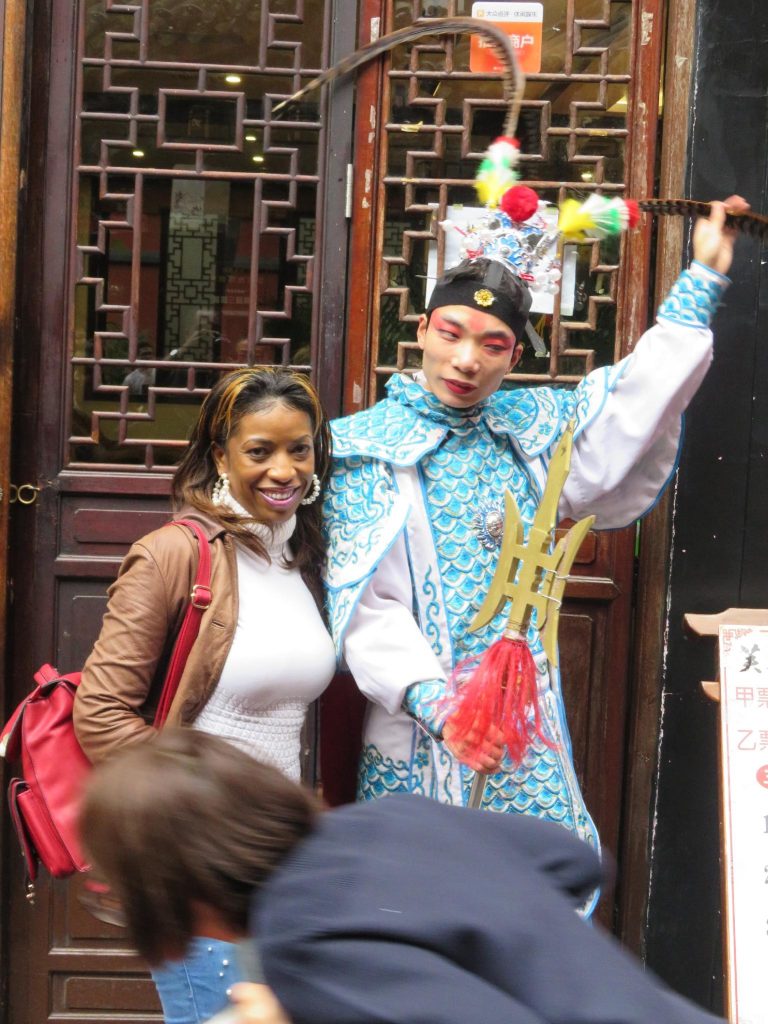
Some of the people we encountered appeared unaccustomed to seeing Black travellers in person. Once they learned that we were Jamaican, however, one name crossed the cultural divide immediately: Usain Bolt.
My husband, tall, dark and handsome, attracted particular attention. People wanted photographs with him and at times he was practically mobbed. I found it hilarious.
My sweetest memory, though, was a little girl who came up to me and rubbed my skin with the complete innocence of a child trying to understand something unfamiliar. She asked whether my mother had left me in the sun too long when I was a baby.
I still smile when I remember it.
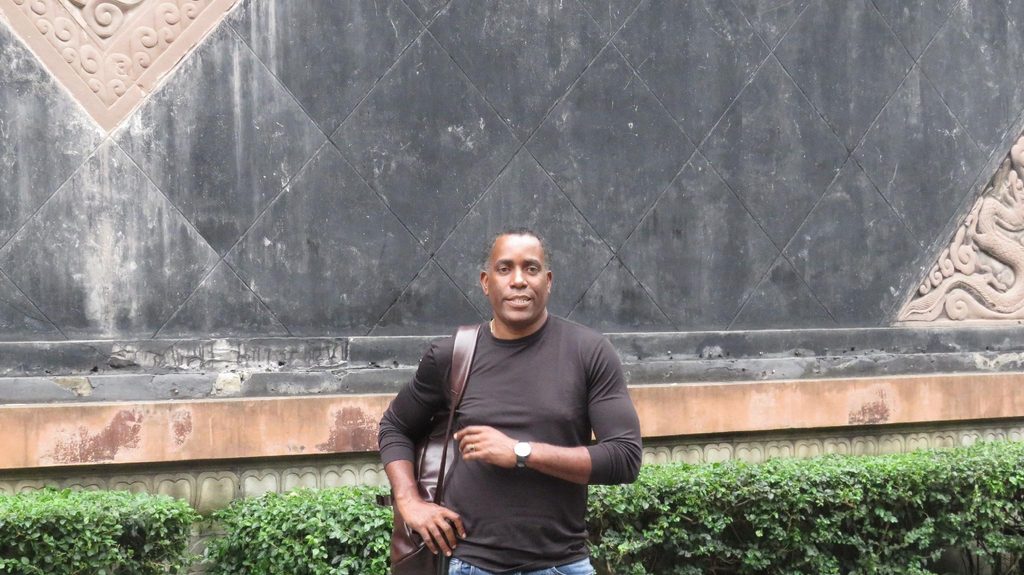
There was no malice in the question. It was pure childhood logic. She had encountered a difference and was trying to fit it into the world she understood. Those are the encounters I treasure when I travel: moments that remind me that curiosity can create connection when we allow it to.
The Quiet Cultural Moment I Remember Most
For all the major sites we visited, one of the images that stayed with me was much simpler: lunchtime.
I would see people pause to eat together. In stores and small stalls you could see children, parents and grandparents sharing the meal. It did not need to be elaborate. What struck me was the sense that the time itself mattered.
Perhaps I noticed it because so many of us elsewhere treat lunch as an interruption. We eat at desks, answer messages between bites and congratulate ourselves for being productive enough not to stop.
Yet here were families, sometimes across generations, giving an ordinary meal their attention.
Travel has a way of showing us that what another culture treats as normal may be precisely what we have forgotten to value.
Travelling With a Disability Does Not Mean Travelling Less
Accessible travel planning matters, but so does mindset. There are experiences I cannot do exactly as everyone else does them. I have had to become comfortable with adapting, resting, watching, cheering and sometimes changing the plan.
That does not make the trip less real.
In fact, travelling with physical limitations has made me pay attention to different things: how a place feels, how people respond, how much walking an itinerary quietly assumes, whether there is somewhere to sit, how temperature affects the body, and how much energy needs to be preserved for tomorrow.
The goal is not to prove that I can travel exactly like someone without those limitations. The goal is to travel well in the body I have.
Explore more: Chali-A Healing Rituals for living well with chronic illness
What Travelling Across China Really Taught Me
I did not leave China understanding China. I left understanding more of it.
That distinction matters.
A few weeks in Beijing, Chengdu and Shanghai gave me extraordinary memories, but they did not give me ownership of a country’s story. They gave me glimpses: enormous train stations, formal programmes, regional food, family meals, cultural negotiations, strangers asking for photographs, a little girl fascinated by my skin, my husband climbing the Great Wall while I cheered, and a hotel full of international visitors trying very hard not to freeze before winter was officially allowed to begin.
That is why intentional travel matters to me. It is not simply about collecting countries. It is about allowing a place to complicate what you thought you knew.
The best journeys do not always send us home with answers. Sometimes they send us home with better questions.
And perhaps that is the point: the differences that make us who we are are not inconveniences to be flattened out. They are part of what makes the world worth travelling.
If You’re Ready to Travel More Intentionally
Chali-A Lifestyle approaches travel as part of Living Well By Design: experiences that make room for curiosity, comfort, culture and the realities of the body you are travelling in.
Continue exploring Chali-A travel stories and practical travel guidance, or browse curated Chali-A Amazon travel essentials before your next journey.