

8 Tips for Eating Healthy Without Turning Food Into a Full-Time Job

Want to feel better, think more clearly and make food choices that support real life? The answer may be in your kitchen—but it is probably not hiding inside another extreme plan.
Healthy eating does not have to mean a joyless plate, a complicated set of rules or a dramatic Monday-morning reinvention. The most useful tips for eating healthy are the ones you can repeat on an ordinary Wednesday: when work is demanding, energy is limited and you still want your meal to taste like something worth sitting down for.
For women over 40, busy professional women and anyone managing fluctuating energy or a health condition, sustainability matters. Food can support overall wellbeing, but it is not a cure-all and it should not become another performance metric. The aim is to build balanced meals and reliable habits that work with your life—not to make your life revolve around food.
That philosophy sits naturally within Chali-A Lifestyle’s Intentional Living pillar: choose with clarity, create supportive systems and leave room for pleasure. This is healthy eating as part of Living Well By Design, not wellness theatre with better lighting.
Quick Answer: What Does Healthy Eating Look Like?
A sustainable healthy-eating pattern is varied, flexible and built mostly around nutrient-dense foods. It typically includes vegetables and fruit, whole grains or other fibre-rich carbohydrates, protein foods, healthy fats and adequate fluids. It also makes room for culture, budget, access, appetite, medical needs and enjoyment.
The USDA MyPlate framework offers a simple visual starting point: build variety across food groups instead of looking for one “perfect” food. The practical question is not, “Did I eat flawlessly today?” It is, “Does the pattern of my choices support me most of the time?”
Before You Change Your Plate, Check Your Reality
Your best food choices depend on more than willpower. Consider your schedule, activity level, allergies, culture, budget, cooking access, medications and health conditions. Someone managing diabetes, kidney disease, food allergies, digestive symptoms or another medical concern may need individualized advice from a qualified clinician or registered dietitian.
Start with observation, not judgment. Which meals keep you comfortable and satisfied? When do you skip meals because the day gets away from you? Which foods are easy to keep on hand? Where does preparation become a barrier? Those answers reveal the system you need to improve.
If your routines feel scattered beyond the kitchen, designing a week that supports you can help you create realistic anchors for shopping, preparation, meals and rest.
Eight Practical Tips for Eating Healthy
1. Choose Carbohydrates That Bring More Than Energy
Carbohydrates are the body’s primary source of glucose, which helps fuel the brain and physical activity. The better strategy is not to fear carbohydrates; it is to choose sources that also bring fibre, vitamins, minerals and staying power.
Build meals around foods such as oats, brown rice, quinoa, whole-grain bread, corn, ground provisions, beans, peas, lentils, fruit and starchy vegetables. Portions and specific choices will vary, but variety is more useful than declaring an entire food group guilty by association.
Try this: pair a carbohydrate with protein and produce. Oats with yogurt and berries, sweet potato with fish and vegetables, or rice and peas with a colourful salad create more complete meals than a carbohydrate eaten on its own.
2. Build a Meal Rhythm You Can Actually Maintain
There is no universal rule that everyone must eat a large breakfast or stop eating at one exact hour. Meal timing should reflect your appetite, schedule, sleep, activity and medical needs. What often helps is a predictable rhythm that prevents you from becoming so hungry that every decision feels urgent.
You might use three meals, smaller meals with planned snacks, or another clinician-approved structure. If late meals disturb your sleep or digestion, experiment with finishing dinner earlier while keeping the change realistic. The useful habit is consistency, not punishment.
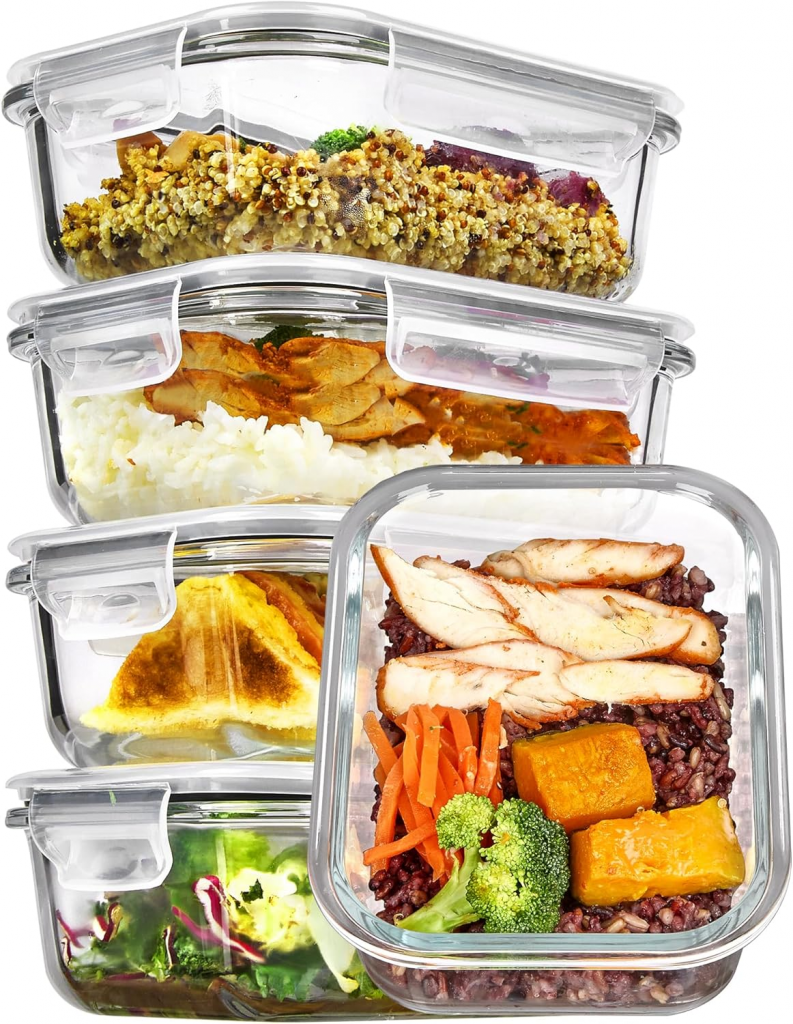
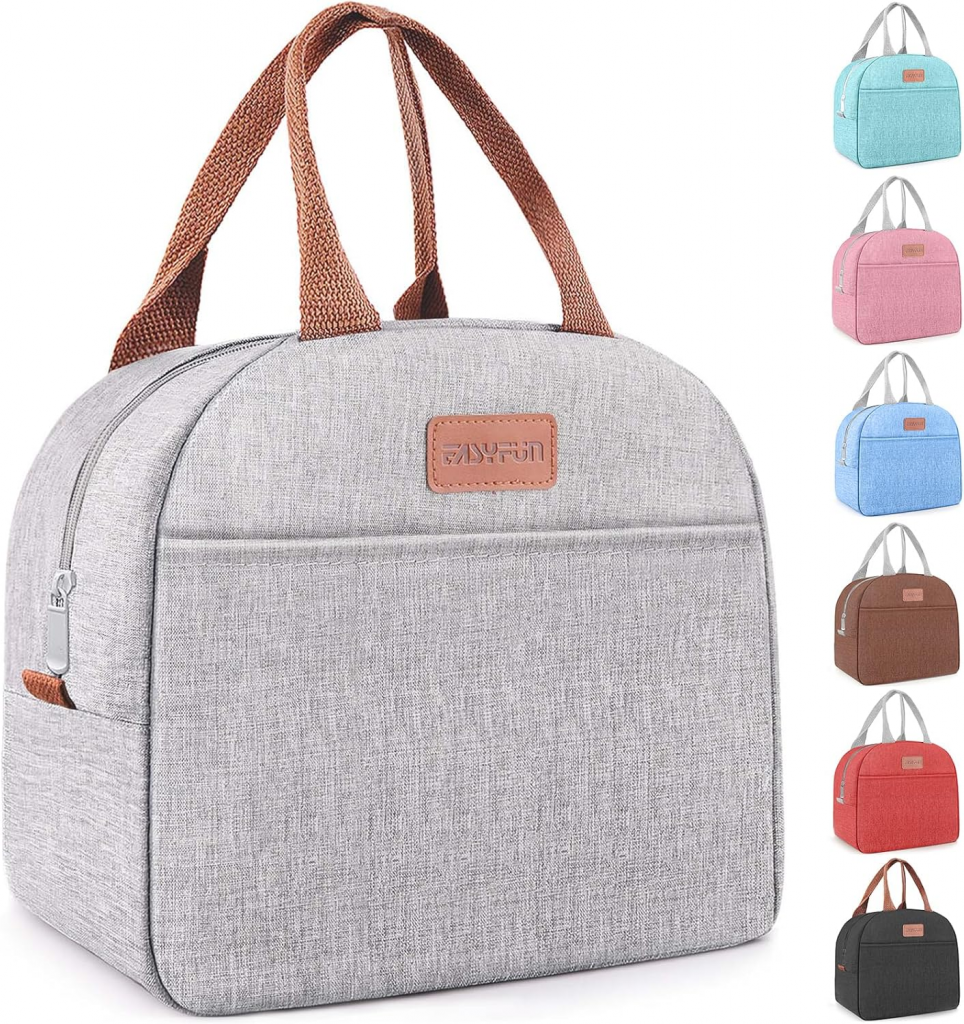
Try this: identify the meal you most often miss or improvise poorly. Prepare one dependable option for that moment—a balanced breakfast you can assemble quickly, a packed lunch, or an easy dinner built from freezer and pantry staples.
3. Let Vegetables and Fruit Do More of the Work
Vegetables and fruit add fibre, vitamins, minerals, flavour, colour and texture. Fresh is excellent, but frozen and canned options can be equally practical. Choose canned products with less added sodium or sugar where possible, and remember that convenience is not a character flaw.
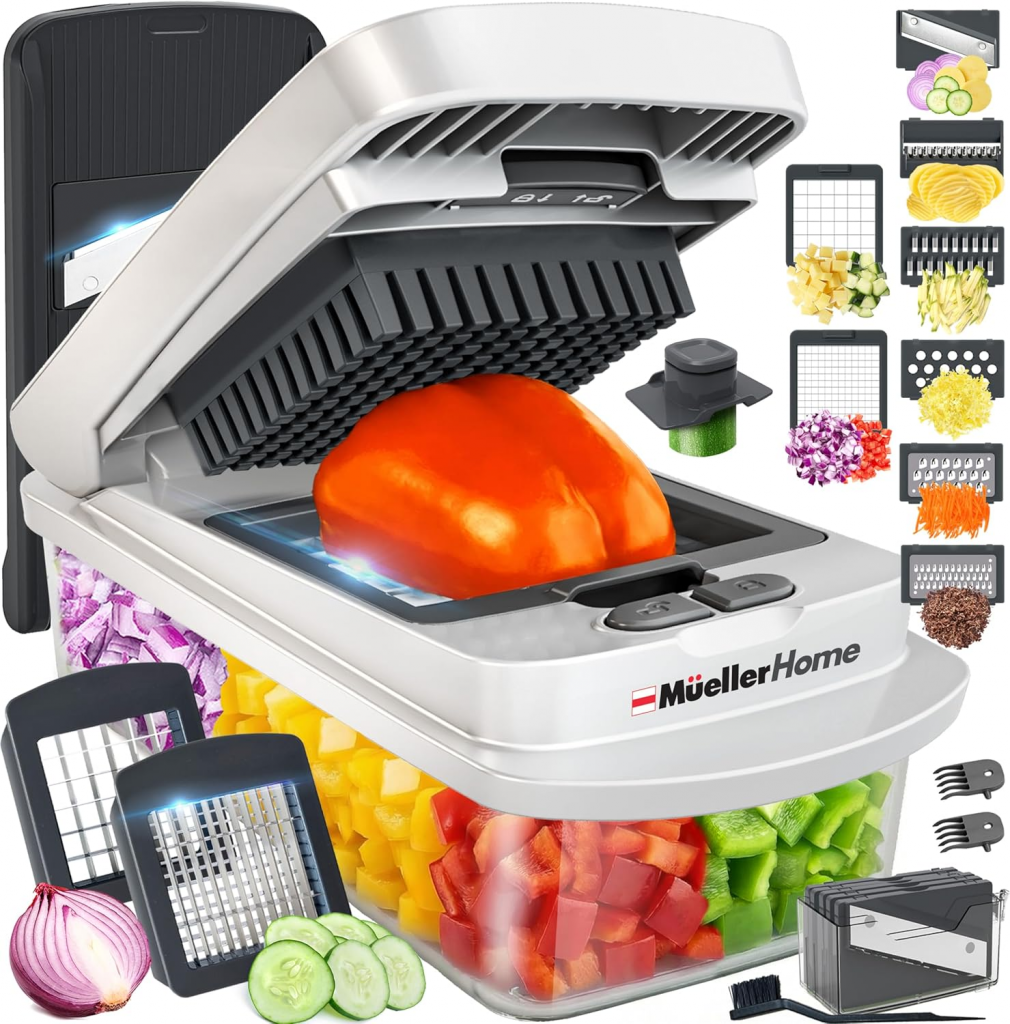
Instead of aiming for a dramatic overnight overhaul, add one produce item to a meal you already eat. Put spinach into eggs, add frozen vegetables to rice, serve fruit with breakfast, or build a quick side salad. Repetition creates a dependable default.
Try this: select three vegetables and two fruits you genuinely enjoy, then rotate them through the week. A beautiful plate helps, but an eaten vegetable remains more useful than an aspirational one slowly losing confidence in the refrigerator.

4. Include Protein Across the Day
Protein supports the repair and maintenance of body tissues and can help meals feel satisfying. Useful sources include beans, lentils, peas, eggs, yogurt, fish, poultry, tofu, tempeh, nuts and seeds. You do not need to force the same protein source into every meal; variety supports both nutrition and interest.
For easier execution, keep two quick proteins available. Boiled eggs, plain yogurt, canned beans, tuna, roasted chickpeas or pre-cooked lentils can turn vegetables and grains into a complete meal without requiring a culinary summit.
Try this: decide on one plant-based protein and one animal-based or alternative protein for the week, then use each in more than one meal.
5. Choose Seafood Thoughtfully
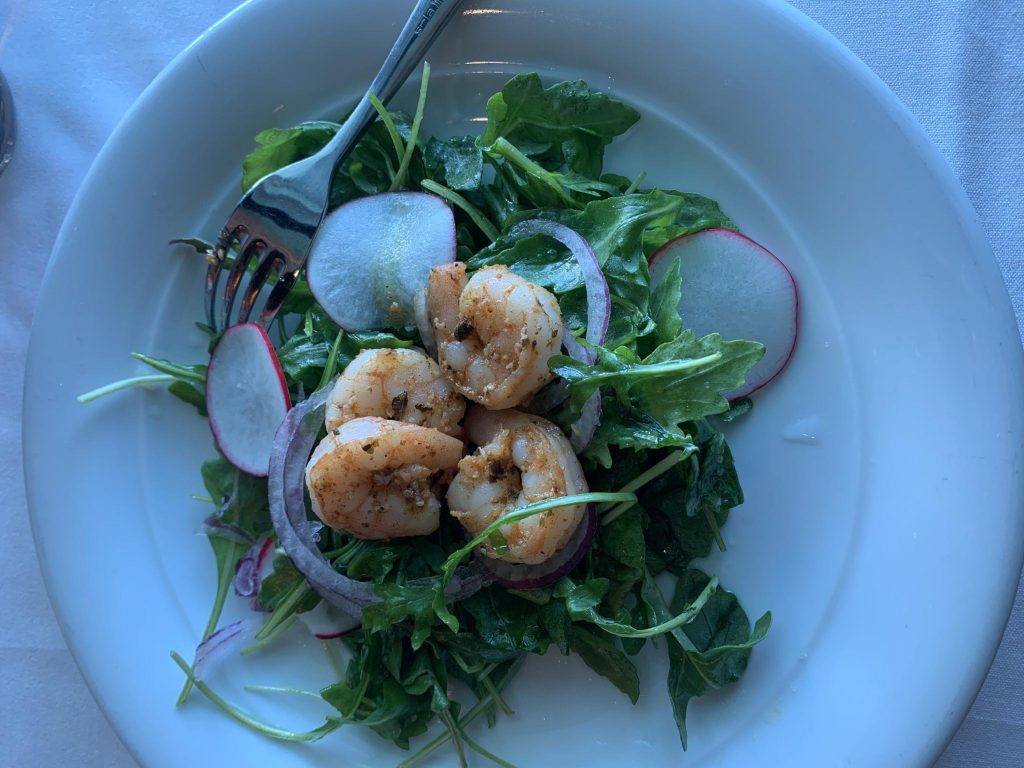
Fish and seafood can provide protein and, in some varieties, omega-3 fatty acids. The American Heart Association recommends a dietary pattern that includes two servings of fish per week, particularly fatty fish such as salmon, sardines, herring and mackerel. People who are pregnant, nursing or feeding young children should also follow current food-safety guidance about mercury.
If seafood is not accessible, affordable or appropriate for you, beans, lentils, tofu, eggs, nuts and seeds can still support balanced meals. Healthy eating should expand your options, not create a hierarchy of virtue.
Read: the American Heart Association guidance on fish and omega-3 fatty acids for the full recommendation.

6. Make Water the Easy Default
Hydration supports temperature regulation, digestion and normal body function, but there is no single perfect water target for everyone. Needs vary with climate, activity, health and other factors. This matters in warm locations and during active days, but the most reliable cue is to build regular access to fluids and follow any clinician-directed limits.
Keep water visible, drink with meals and refill a bottle during the day. Plain tea, sparkling water and other low-sugar drinks can add variety. If you have heart, kidney or other conditions that affect fluid intake, ask your clinician what is appropriate for you.
The NIH hydration guide offers practical hydration suggestions and explains why individual needs differ.

7. Plan Snacks That Solve a Real Problem
A useful snack bridges a genuine gap between meals, supports activity or prevents an energy crash. Fruit with nuts, yogurt, hummus with vegetables, whole-grain crackers with cheese, or roasted chickpeas combine flavour with staying power.
Prepare snacks where decisions happen: at your desk, in your bag or at the front of the refrigerator. If you are not hungry, you do not need to snack simply because the clock has issued a memo.
Try this: portion two snack options at the start of the week and keep one shelf-stable choice available for unusually long days.
8. Design Your Environment for Better Choices
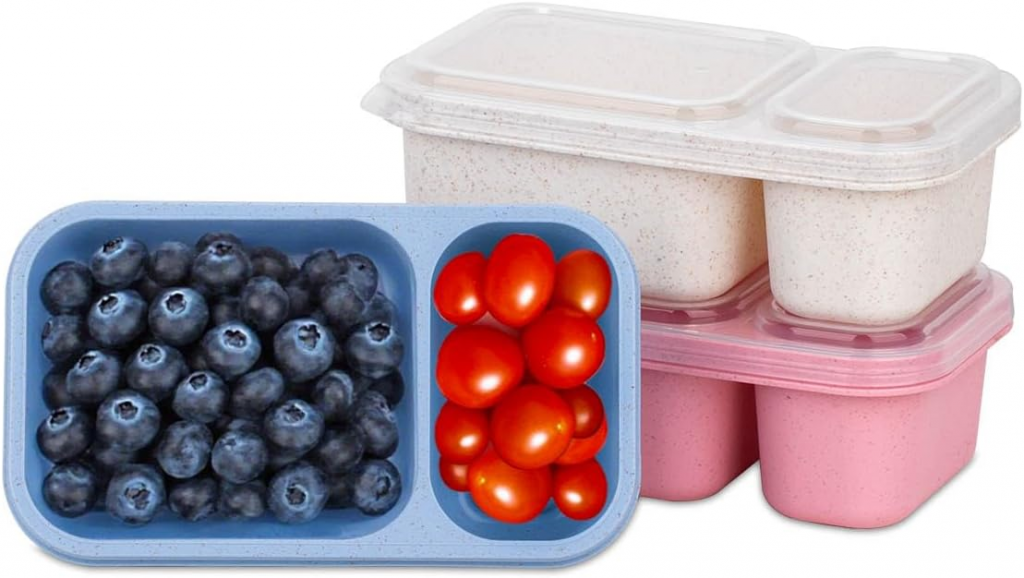
Healthy eating habits become easier when your environment does some of the thinking. Keep frequently used ingredients visible, store simple meal components together, maintain a short grocery list and make the most supportive choice the easiest one to reach.
This is where intentional eating becomes intentional living. A weekly fifteen-minute food reset can include checking what needs to be used, washing produce, preparing one protein, cooking one grain and choosing two easy meals. That modest system can prevent several expensive, exhausting decisions later.
Explore healing rituals that support daily recovery for another example of building gentle, repeatable systems around your real capacity.
A Simple Formula for Balanced Meals
When you do not know what to make, use a flexible four-part formula:
- Produce: vegetables, fruit or both.
- Protein: beans, lentils, eggs, yogurt, fish, poultry, tofu, nuts or seeds.
- Fibre-rich carbohydrate: oats, whole grains, corn, ground provisions, beans or starchy vegetables.
- Flavour and healthy fat: herbs, spices, avocado, olive oil, nuts, seeds or another culturally familiar addition.
Not every plate will include every category in perfect proportions, and it does not need to. Look at the pattern across the day and week. Flexibility is what makes the system durable.
What Healthy Eating Does Not Require
- A restrictive cleanse or detox plan.
- Expensive “superfoods” or a pantry designed for social media.
- Skipping meals to compensate for eating something enjoyable.
- Labeling food and by extension yourself, as good or bad.
- Ignoring medical guidance, allergies, intolerances or cultural preferences.
Your body already has organs that manage waste and metabolism. A more sensible reset is often wonderfully unglamorous: regular meals, more whole and minimally processed foods, adequate fluids, sleep and a plan that survives real life.
Frequently Asked Questions
What is the easiest way to start eating healthier?
Improve one repeatable meal first. Add produce, include a protein, choose a fibre-rich carbohydrate and make the ingredients easy to access. Once that meal feels automatic, improve the next one.
Do I have to stop eating my favourite foods?
No. A sustainable pattern makes room for enjoyment and culture. Frequency, portions and the overall pattern matter more than expecting every individual food choice to carry the entire strategy.
Are fresh foods always better than frozen or canned foods?
No. Frozen and canned vegetables, fruit, beans and fish can be nutritious, economical and convenient. Compare labels when useful and choose options that fit your needs.
Should everyone avoid eating late at night?
Not necessarily. It also depends on your objectives. Meal timing is individual. Often late meals affect weight retention, sleep, reflux or comfort, try eating earlier and discuss persistent symptoms with a qualified clinician.
If You Are Ready to Go Deeper
Knowing what to do is rarely the whole problem. The harder part is building a routine that fits your energy, responsibilities and actual week.
If you want practical support turning good intentions into sustainable habits, explore Chali-A lifestyle coaching. You can also view the available coaching paths and choose the level of structure that fits your season.
For supportive tools, browse the Chali-A shop or the Chali-A Amazon Storefront. Use product links as convenient options—not as substitutes for individualized health advice.
Eat well because it supports the life you want to live, not because your plate is auditioning for approval. Start with one better choice, build a system around it and let consistency do the quiet work.