
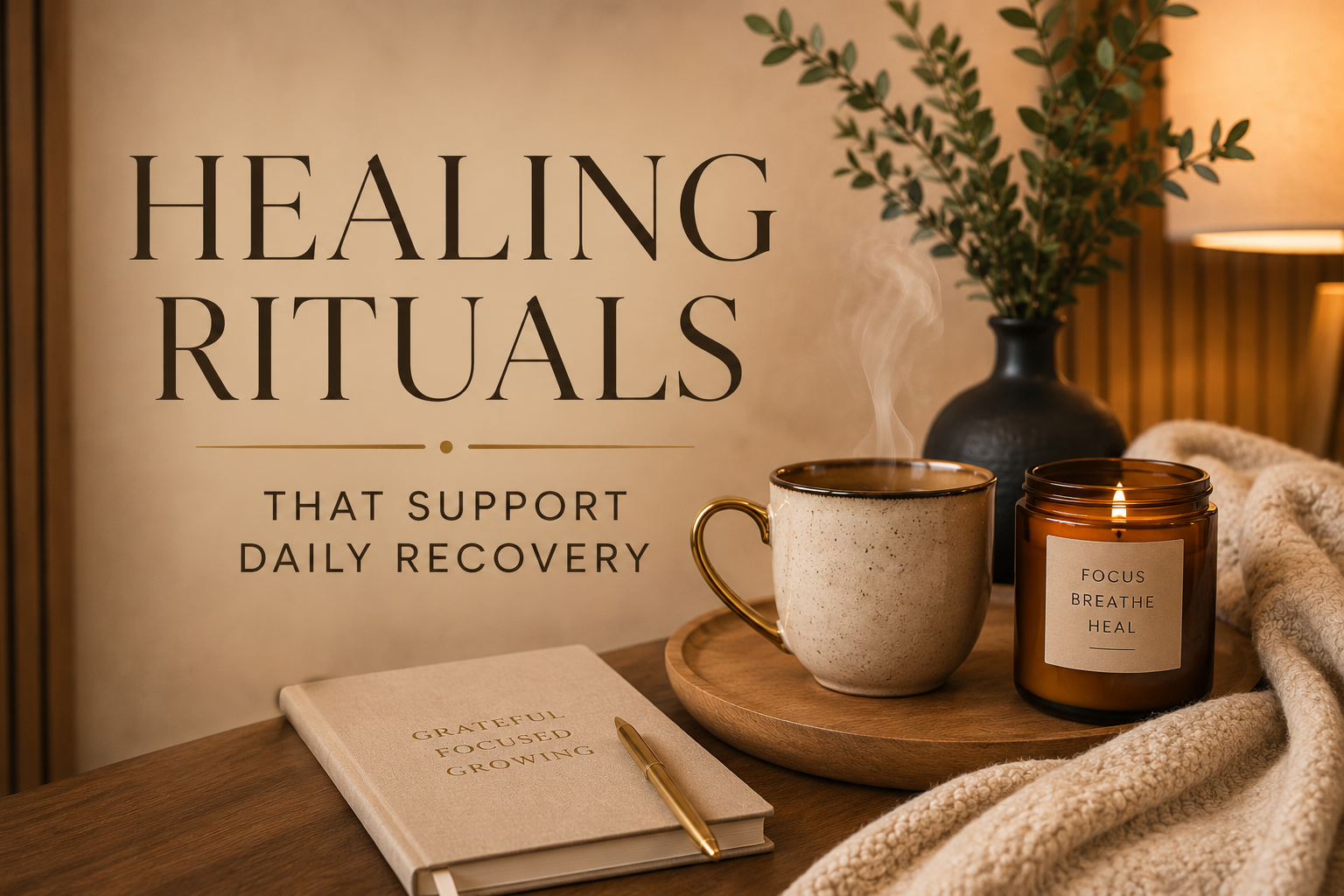
HEALING RITUALS THAT SUPPORT DAILY RECOVERY
Recovery Is Not a Luxury. It Is a Requirement.
Most people design their lives around output. Very few design for recovery.
The outcome is predictable. Fatigue becomes normal, burnout is reframed as ambition, and the body quietly absorbs the cost.
Healing rituals are not indulgences. They are structured systems that allow the body to repair, regulate, and sustain performance.
If your lifestyle demands output, then your strategy must include recovery.
For a structured weekly approach, see: https://chalialifestyle.com/how-to-design-a-week-that-supports-you
The Daily Recovery Framework
Effective recovery operates across three core areas:
- Nervous system regulation
- Physical restoration
- Internal replenishment
When these are aligned, performance improves with less strain.
1. Nervous System Reset Rituals
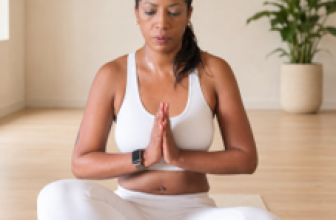
Your body cannot recover properly if it remains in a constant stress state.
Daily Rituals:
- 10–15 minutes of stillness or breathing
- Low-stimulation mornings
- Screen-free wind-down at night
Why this works: Stress directly impacts inflammation, sleep, and pain perception. Regulating the nervous system improves all three.
To help reinforce these rituals consistently, a few supportive tools can make the environment feel calmer, reduce overstimulation, and help signal the body that it is safe to slow down and recover.
- Weighted blanket for deep pressure calming
- Essential oil diffuser with your favorite scent for relaxation cue
- Blue-light blocking glasses to help reduce evening eye strain and support a smoother transition into rest and sleep routines



For morning alignment, see:
https://charliealifestyle.com/luxury-is-ease-designing-a-calm-morning
2. Gentle Movement and Circulation
Recovery is not inactivity. It is intentional movement. Adding gentle movement into your day helps keep the body active without overwhelming it, supporting recovery through improved circulation, mobility, and reduced physical tension.
Daily Rituals:
- Mobility work (10–20 minutes)
- Walking (morning or evening)
- Light resistance training
Why this works: Movement improves circulation, reduces stiffness, and supports lymphatic flow.
A few simple movement tools can make it easier to build consistency into your recovery routine while supporting mobility, flexibility, and low-impact strength.
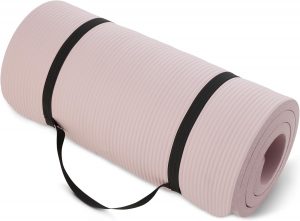
- Yoga mat to create a comfortable, supportive surface for stretching, mobility work, and daily movement routines
- Resistance bands to support gentle strength training, improve muscle activation, and increase mobility without excessive joint strain
For lifestyle integration, see: https://chalialifestyle.com/intentional-living
3. Heat, Compression, and Physical Relief
Targeted relief accelerates recovery.
Daily Rituals:
- Heat therapy
- Compression support
- Localized muscle release
Why this works: Heat improves blood flow. Compression reduces swelling. Together, they improve recovery speed.
Supportive recovery tools can help reduce physical tension, improve comfort, and make it easier for the body to recover from daily strain and fatigue.
• Heating pad to help relax tight muscles, improve circulation, and reduce stiffness and discomfort
• Massage device to target muscle tension, support circulation, and provide localized relief for overworked areas
Related comfort strategies: https://chalialifestyle.com/fibro-ra-friendly-travel-comfort-list
4. Hydration and Internal Recovery
Hydration is one of the most overlooked recovery tools.
Daily Rituals:
- Water before caffeine
- Electrolyte supplementation
- Consistent intake throughout the day
Why this works: Hydration supports cellular repair, circulation, and energy production.
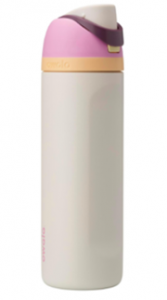
Keeping a dedicated water bottle nearby can help encourage consistent hydration throughout the day, making it easier to support energy, recovery, and overall body function.
For skin + hydration synergy: https://chalialifestyle.com/natural-solutions-for-dry-skin/
5. Sleep as a Strategic Recovery Tool
Sleep is where real recovery happens.
Daily Rituals:
- Fixed sleep schedule
- Dark, cool environment
- Pre-sleep wind-down routine
Why this works: Most physical and cognitive repair processes occur during sleep cycles.
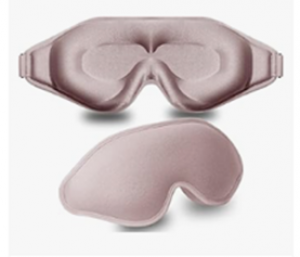
Creating a calming sleep environment can significantly improve recovery quality by helping the body relax more deeply and maintain more restorative sleep patterns.
- Silk pillowcase to provide a softer, smoother sleep surface that supports comfort while being gentler on skin and hair
- Sleep mask to help block excess light and create a darker environment that supports deeper, uninterrupted sleep
- White noise machine to reduce background disturbances and create a more calming atmosphere for falling and staying asleep


Evidence supports structured recovery practices:
- Harvard Health highlights how stress reduction and relaxation practices support overall physical and mental recovery.
- The World Health Organization continues to emphasize the importance of regular movement and physical activity in supporting long-term health and well-being.
Final Thought: Build a System, Not a Moment
Recovery is not reactive. It is designed.
Small, consistent rituals outperform occasional resets.
When recovery becomes part of your system, performance becomes sustainable.
What recovery ritual helps you reset most consistently? Share your thoughts or drop a line below, I’d love to hear what supports your recovery best.
Until next time, recover beautifully.