

Why You Feel Overwhelmed

Even When You’re Doing Everything Right
You are not lazy. You are not incapable. In fact, you may be the person everyone relies on, the executive who keeps the team moving, the professional who never misses a deadline, the parent who remembers the school forms, the groceries and the birthday gift. Yet beneath all that competence, you feel as if you are permanently one request away from unraveling.
That contradiction is more common than it appears. You can be doing many things correctly and still be living in a way that is structurally unsustainable. The problem is not always the volume of your effort. Sometimes it is where that effort is going, how often your attention is being divided and whether the life you are maintaining still reflects what matters most to you.
You may feel overwhelmed because your effort is being spread across too many responsibilities without a clear hierarchy. Everything is receiving urgency, but not everything is receiving intention.
It is not the effort that is missing. It is the structure.
Why Capable People Can Still Feel Overwhelmed
High performers are often rewarded for responsiveness. You become the person who can handle more, solve faster and step in when something falls through. Over time, capability quietly becomes availability. People bring you more because you have shown that you can carry it.
The trouble is that “I can do this” and “I should be responsible for this” are not the same decision. When you never pause to separate them, competence becomes a crowded calendar, an overextended mind and a home life receiving whatever energy survives the workday.
This is not a minor workplace issue. The American Psychological Association reported that 77% of workers experienced work-related stress in the previous month.
For professional women, leaders, parents and caregivers, paid work is only one operating system. There is also the invisible administration of life: appointments, meals, emotional support, household decisions, family logistics and the constant anticipation of what will be needed next. A person can look exceptionally organized from the outside while internally running dozens of unfinished mental tabs.
The Hidden Inefficiencies Behind Your Overwhelm
Overwhelm often looks like a time problem, but the deeper issue is frequently an allocation problem. Your day is full, yet too much capacity is being consumed by activities that are low-impact, repeatedly interrupted or performed because no one has questioned whether they still need to be done.
1. You Are Treating Every Task as Equally Important
When everything matters, nothing is prioritized. The report, the family dinner, the unanswered message, the school request, the untidy kitchen and the colleague’s “quick question” all enter the same mental queue. Your brain is forced to renegotiate importance all day long.
Research on decision fatigue shows why repeated choices can make later decisions more vulnerable to shortcuts and reduced deliberation. The issue is not weakness; it is an overloaded decision environment.
2. You Are Confusing Motion With Meaningful Progress
Small tasks create quick satisfaction. You answer emails, tidy a drawer, approve a document and clear notifications. You have been busy for hours, but the conversation that would improve your marriage, the strategic work that would grow the business or the rest that would restore your energy remains untouched.
The bucket is full, but it is full of pebbles. The few “marbles” that could materially improve your life never made it in.
3. Your Attention Is Paying a Switching Tax
Moving constantly between messages, meetings, household needs and strategic work may feel efficient, but research links persistent attention switching and workplace multitasking with cognitive overload, mental fatigue and higher stress.
Each switch carries a small recovery cost. Multiply that cost by dozens of interruptions and it becomes easier to understand why you reach evening exhausted even when no single task seemed impossible.
4. You Have Built a Life Around Output, Not Recovery
Many successful people schedule the meeting, the deadline and the school run, then hope rest appears in the remaining white space. It rarely does. Recovery becomes accidental, so your nervous system never receives a reliable signal that it is safe to stand down.
A beautiful bath or quiet coffee will not fix an unmanageable job or an unfair division of labour. However, a protected daily pause can help you hear yourself clearly enough to recognize what needs to change. The ritual is not the strategy; it creates the mental room in which strategy becomes possible.
Your Life Needs a Portfolio, Not a Perfect Balance
Work-life balance is often presented as if every part of life should receive equal time. That is neither realistic nor necessary. A better question is: Does the way I allocate my energy reflect what I say matters?
Think of your life as a portfolio. Work, family, health, faith or spiritual wellbeing, relationships, personal growth and rest are different investments. The percentages will change by season, but they should change consciously, not simply because the loudest demand captured the day.
For example, you might decide that during a demanding quarter your energy allocation should look something like this:
- 35%: career, business and financial stability
- 30%: family, partnership and meaningful connection
- 15%: physical and emotional wellbeing
- 10%: faith, reflection or spiritual grounding
- 5%: friendships and community
- 5%: administration and low-impact maintenance
These numbers are not a universal formula. They are a visibility tool. If you say family is central but work receives 90% of your best energy, the problem is not a lack of love. It is a structural contradiction. If health matters but receives attention only after a crisis, the allocation is telling the truth that your intentions have not yet translated into a system.
The 50–5–2 Test: Find Out Where Your Energy Is Really Going
Take one sheet of paper and list the roles and responsibilities currently occupying your life. Then ask three questions:
- What deserves approximately 50% of my focused effort in this season because it creates the greatest stability, meaning or impact?
- What deserves about 5% because it matters, but does not require constant attention?
- What should receive only 2%, or be delegated, automated, simplified or stopped?
Now compare those answers with the previous seven days. This is where hidden inefficiency becomes visible. You may discover that a 2% issue has been consuming 20% of your emotional energy. You may be polishing low-value work while avoiding one important decision. Or you may be giving everyone immediate access to time that was never intentionally made available.
The goal is not to calculate a mathematically flawless life. The goal is to expose misalignment. Once you can see it, you can redesign it.
Start With Ten Minutes That Belong Only to You
When your schedule already feels impossible, being told to create an elaborate self-care routine can sound like someone has assigned you another project. Start smaller. Protect ten minutes each day. No chores. No work email. No solving someone else’s problem. No performance. Use the time to sit in silence, pray, meditate, journal, stretch, drink coffee slowly, take a hot shower or simply notice how you feel.
Keep a reusable water bottle nearby if hydration is one of the basics you tend to neglect during rushed days.

If gentle movement helps you move out of work mode, leave a comfortable yoga mat visible rather than hidden in a cupboard.

For a sensory cue that the working day is ending, you might use an essential-oil diffuser while you write tomorrow’s priorities.

On especially compressed evenings, a shower steamer can help turn an ordinary shower into a short transition ritual rather than another rushed task.

Or make a cup of organic chamomile tea and let those ten minutes remain gloriously unproductive.
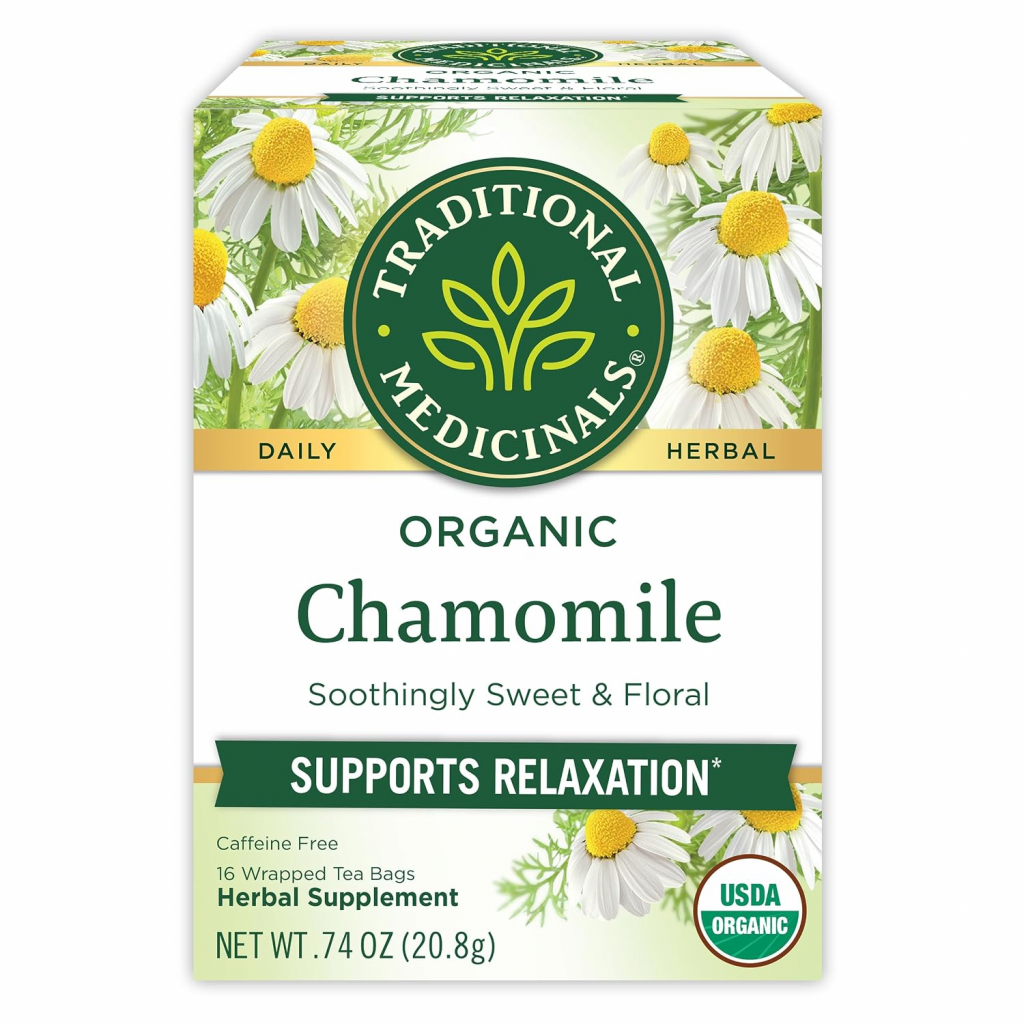
The product is optional. The protected boundary is the point. You are teaching yourself—and eventually the people around you—that your energy is a resource to be managed, not an unlimited public utility.
Build Structure Around What Matters Most
Once the daily pause gives you enough distance to think, begin redesigning the week. Organization is not merely colour-coded calendars. It is the deliberate placement of your time, attention and recovery around your actual priorities.
Choose Three Weekly Outcomes
Identify the three outcomes that would make the week meaningful: perhaps completing a strategic proposal, having dinner with your family three evenings and attending to your health. Put these into the calendar before smaller requests colonize the space.
Create a “Not Now” List
High performers often maintain only a to-do list. Add a “not now” list for good ideas, optional improvements and requests that do not belong in the present season. Delay is not always avoidance; sometimes it is intelligent sequencing.
Reduce Repeated Decisions
Standardize what does not deserve fresh thought every day. Use a simple meal rotation, recurring grocery list, default meeting windows, shared family calendar or fixed evening shutdown routine. Save your best thinking for decisions that can actually change an outcome.
Renegotiate the Workload—Do Not Merely Recover From It
The World Health Organization’s guidance on mental health at work emphasizes organizational measures that address working conditions—not only individual coping skills. If the workload, workplace culture or distribution of responsibility is unreasonable, personal rituals alone are not the remedy.
Ask what can be delegated, stopped, automated or reassigned. At home, make invisible work visible and distribute ownership rather than waiting for “help.” At work, clarify priorities with your manager or team: if everything cannot be completed at the same standard, which outcomes take precedence?
Watch for the Moment Overwhelm Becomes Something More
Feeling overwhelmed is not automatically burnout. The WHO defines burnout specifically in the occupational context and associates it with exhaustion, greater mental distance or cynicism toward work, and reduced professional efficacy. Persistent anxiety, hopelessness, sleep disruption, panic, inability to function or physical symptoms deserve attention from an appropriate healthcare or mental-health professional. Structure is powerful, but it is not a substitute for care.
What a Better-Aligned Life Actually Feels Like
You may still have demanding seasons. Your calendar may remain full. The difference is that your energy is no longer disappearing into an unexamined collection of obligations. You know what the week is for. You can distinguish meaningful work from performative busyness. You return home with enough of yourself left to be present. You stop interpreting exhaustion as evidence that you are committed. Most importantly, you create a life in which the people and values you work so hard for receive more than your leftovers.
That is the heart of living well by design: not controlling every moment, but building enough structure that what matters is no longer consistently crowded out.
A Simple Reset for Tonight
Before tomorrow begins, answer these four questions:
- What matters most in this season of my life?
- Where did most of my energy go this week?
- What is receiving far more attention than its real importance deserves?
- What ten-minute space will I protect for myself tomorrow?
Do not use the answers to criticize yourself. Use them to adjust the design. You do not need more guilt, a more heroic work ethic or a prettier planner. You need a clearer hierarchy for your life. You were never failing because you could not carry everything indefinitely. You were simply trying to solve a structural problem with more personal effort.
The next version of your life will not be built by doing everything. It will be built by deciding what deserves you.
If You’re Ready to Go Deeper
If you have been trying to create balance on your own but still feel inconsistent, explore the Chali-A coaching experience to see how structured support can help you realign your priorities and build a life that works in practice.
You can also review the coaching programmes and services or begin with the free resources available through the Chali-A resource collection.
For thoughtfully selected tools that support calmer routines, browse the Chali-A shop or explore the Chali-A Amazon Storefront.

Frequently Asked Questions
Why do I feel overwhelmed even when I am productive?
Productivity can increase output without correcting poor prioritization, excessive switching, unclear boundaries or an unsustainable workload. You may be accomplishing a great deal while allocating too little capacity to recovery and your highest-value priorities.
How can high performers reduce overwhelm?
Start by identifying the few outcomes that matter most, reducing repeated decisions, protecting short recovery periods and renegotiating tasks that should be delegated, simplified, automated or stopped.
Is feeling overwhelmed the same as burnout?
No. Overwhelm can be temporary and may involve several areas of life. Burnout is defined by the WHO specifically as an occupational phenomenon resulting from chronic workplace stress that has not been successfully managed.