THE 3 PILLARS OF A BETTER LIFE:
Healing, Intention & Lived Luxury
A better life rarely arrives as one dramatic breakthrough. More often, it is built quietly: in what you do when you wake up, how you use your time, how you care for your body, what you allow into your mind, and whether the spaces around you make everyday life harder or easier.
That is the thinking behind For A Better Me™. Better does not mean perfect. It means making intentional choices, repeated gently, that help real life become more manageable, sustainable and aligned.
At Chali-A Lifestyle, that philosophy is organised around three connected pillars: Healing Rituals, Intentional Living and Lived Luxury.
- One restores capacity.
- One gives that capacity direction.
- One creates an environment in which living well becomes easier to sustain.
You do not have to master all three at once. In fact, that rather defeats the point. Start with the pillar your life needs most right now, then build from there.
Why a Better Life Needs More Than Good Intentions
We are surrounded by advice: drink more water, exercise, meditate, plan your week, buy better bedding, get organised. Most of it is perfectly reasonable. The problem is that isolated advice can become another list of things we are failing to do.
The better question is: what is the life I am trying to build, and what must support it?
A person can be highly productive and physically depleted. Another can have a beautiful home but live every day in reaction mode. Someone else may devote enormous energy to work while insisting that family, faith or health is their highest priority. The disconnect is not necessarily a lack of discipline. Often, it is a lack of alignment.
That is why the For A Better Me™ philosophy treats wellbeing, structure and quality of life as parts of the same system.
Pillar 1: Healing Rituals – Take Care of Your Body So It Can Take Care of You
Healing Rituals are the foundation because everything else depends on capacity. Your body carries you through meetings, parenting, travel, grief, ambition, deadlines, illness, celebration and ordinary Tuesdays. Caring for it should not be what happens only after it finally forces you to stop.
A healing ritual is simply a repeatable practice that supports your physical, mental or emotional state. It does not need to be elaborate, expensive or Instagram-worthy. It needs to be realistic enough to become part of your life.
Begin With the Body
A glass of water when you wake is one of the simplest places to begin. There is no need to turn it into a miracle cure; the value is in beginning the day by replacing fluid after a night without drinking and creating a deliberate first act of care.

Some people also enjoy warm water with a small amount of apple cider vinegar and honey as a personal morning ritual. Treat it as a preference rather than a medical prescription: 2 tablespoons of apple cider vinegar, 1 teaspoon of honey in 8 ounces of water is a ritual I have practiced for years. Along with the healing benefits, it helps to keep my stomach flat. I drink it through a straw to protect my teeth from the acidity.
The ritual matters less than the principle, begin the day by checking in with your body instead of immediately demanding performance from it.
Movement Does Not Have to Mean the Gym
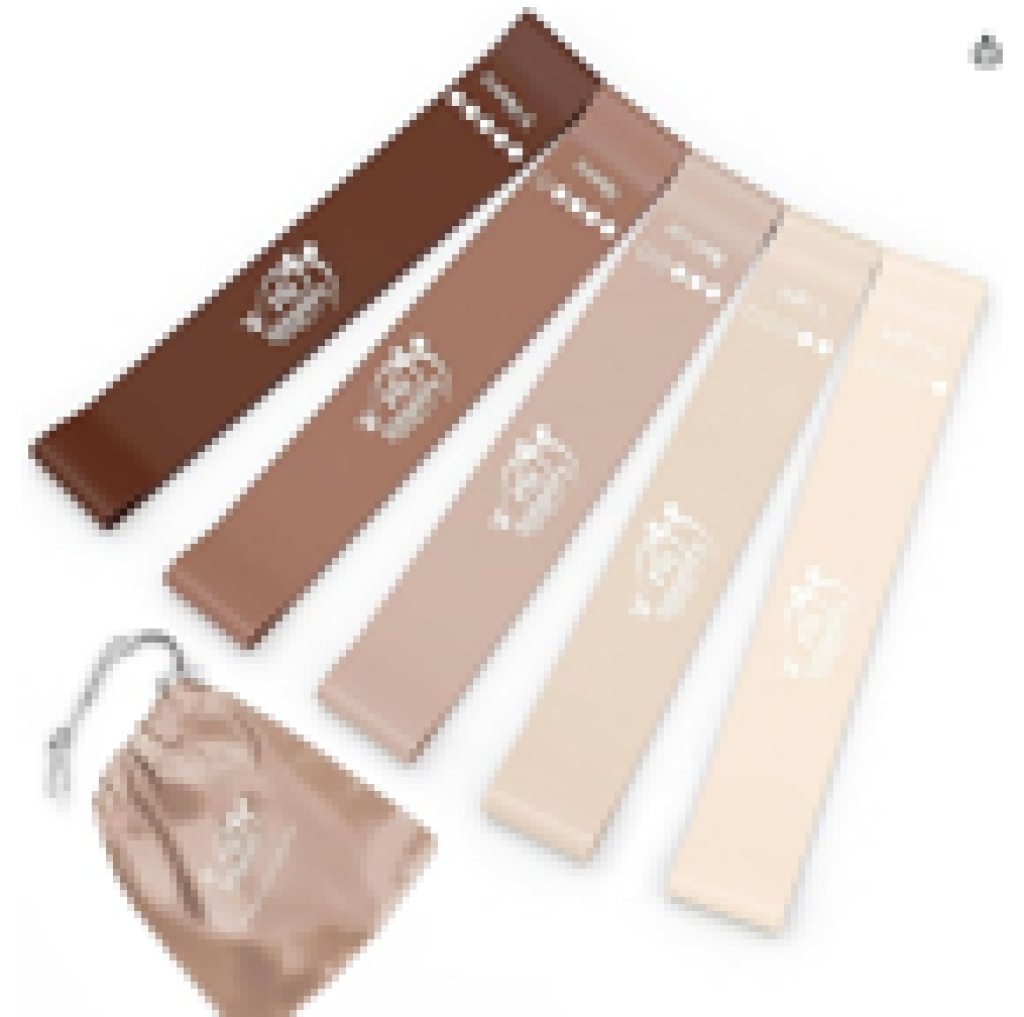
Movement should fit the person. Not everybody wants to go to a gym, and not everybody should train in the same way. One person may play tennis or football. Another may swim. Someone else may walk, stretch, dance in the living room or practise yoga. The useful question is not, “Am I doing the fashionable workout?” It is, “How can I keep my body moving in a way I can sustain?”
The World Health Organization emphasises that physical activity can take many forms and that people living with health conditions or disability should be as active as their abilities and circumstances allow. Read the WHO physical-activity guidance.

What Nervous System Regulation Actually Means
“Regulate your nervous system” can sound like wellness jargon until someone explains it. In practical terms, your autonomic nervous system helps your body shift between states of activation and recovery. When you are under pressure, your heart rate, breathing and alertness can increase. When the immediate demand passes, the body needs opportunities to settle.
Regulation does not mean never feeling stressed. It means developing ways to help your body move out of constant high alert. Slow breathing, a quiet room, prayer, meditation, gentle stretching, a warm shower, calming music or simply sitting without a screen for ten minutes can all become cues that say: the emergency is over; you can soften now.
A systematic review and meta-analysis indexed by PubMed found that voluntary slow breathing was associated with changes in heart-rate variability linked with parasympathetic activity. In plain English: deliberate slow breathing can be one simple, low-tech way to support the body’s shift toward a calmer state. Review the research on slow breathing and autonomic regulation.

Take Care of Your Emotional and Spiritual State Too
Healing is not only physical. Some days what needs care is your mind. Some days it is your spirit. Your ritual might be prayer before the household wakes, meditation, journalling, sitting outside with coffee, calling someone who steadies you, or giving yourself ten quiet minutes in which nobody needs anything from you.
The method can differ because people differ. The principle remains: create space to process what you are carrying instead of expecting your body to carry it indefinitely. For more practical ideas, continue with Healing Rituals That Support Daily Recovery – a deeper look at restorative routines, gentle movement, rest and physical support.
Pillar 2: Intentional Living – Put Your Time Where Your Values Are
Intentional Living is where values become visible. It is easy to say that family, faith, health, career or service matters most. The harder question is whether the way we use our time and energy tells the same story. If for example, being a good parent is one of your highest priorities, but you are chronically overworked, financially disorganised, exhausted and so irritable that your children mostly receive what is left of you. The answer is not guilt. The answer is design. Something in the system has to change.
The same applies if faith is central to you but you never create space for prayer or worship; if health matters but rest is always negotiable; or if professional excellence matters but your days are consumed by low-value tasks that keep you busy without moving important work forward.
This is the heart of intentional living: designing a life that works, aligning what you repeatedly do with what you say matters.
Plan the Week Before the Week Plans You
At the beginning of the week, decide what matters most. You can have several responsibilities, but choose one outcome that would make you say, “If I achieve nothing else this week, this must get done.” That single decision creates a hierarchy.
Then build the rest of the week around reality: appointments, work, family responsibilities, recovery, movement, meals and the things that keep your household or business functioning. Planning is not about controlling every hour. It is about making sure the important things have somewhere to live.
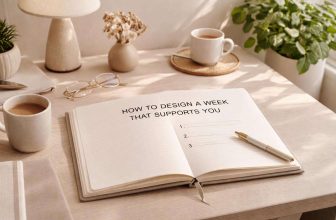
For a practical structure, use How to Design a Week That Supports You as the companion guide to this pillar.
Choose the One Thing Each Morning
The same principle works at the start of the day. Ask: “If I do nothing else today, what is the one thing I must complete?”
That question is deceptively powerful. It prevents ten small, easy tasks from consuming the energy needed for the one consequential task. Small decisions repeated consistently create large results because they change where attention goes.
Intentional living also means recognising that time and energy are not identical.
You may technically have two free hours and still lack the concentration for demanding work. Build your schedule around both. This idea has long been reflected in Harvard Business Review’s work on managing energy, not only time: sustainable performance requires renewal as well as output.
Alignment Sometimes Requires Saying No
Every yes has a cost. A commitment can cost time, attention, money, sleep or emotional bandwidth. Intentional living asks whether the cost is consistent with the life you are trying to build.
That does not mean becoming rigid or self-centred. It means understanding that priorities without boundaries are merely preferences. Sometimes the most intentional decision is to decline an invitation, postpone a project, delegate a task, ask for help or leave white space in the calendar.
The goal is not to squeeze more from yourself. It is to stop spending your best energy accidentally.
Pillar 3: Lived Luxury – Make Everyday Life Easier, Softer and More Beautiful
Lived Luxury is perhaps the most misunderstood pillar because the word luxury immediately makes people think about price. It’s more than that, while it may include more expensive items, it’s really about experiences and life.
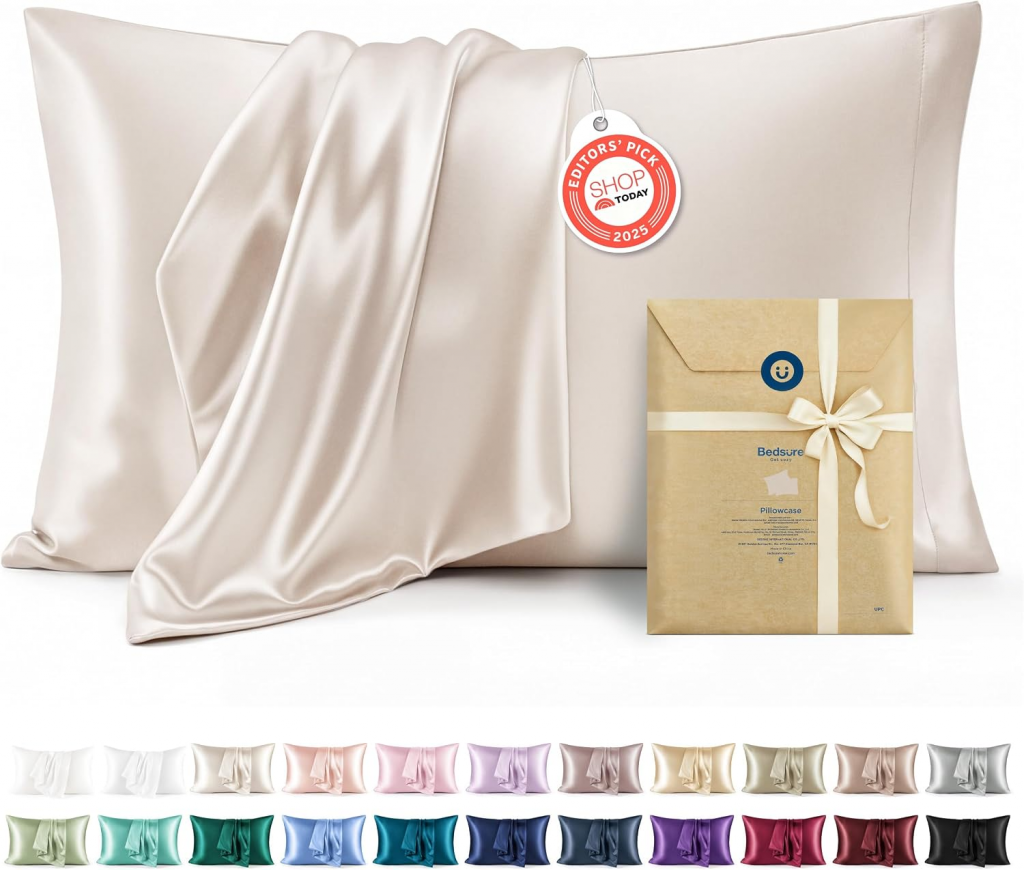
Luxury can be a beautiful hotel, a designer dress or an exceptional meal. It can also be the pillow that lets you sleep comfortably, the scent that changes the mood of a room, a satin pillowcase that feels wonderful against your skin, a lamp that gives your bedroom a warm glow, art that makes you happy every time you pass it, or a candle you light at the end of a long day.
In other words, lived luxury is not excess for the sake of appearance. It is considered elevation: choosing things and experiences that add comfort, function, beauty or ease to ordinary life.
Start With the Places You Use Every Day
Your bedroom is a good example. We spend a substantial part of life sleeping, yet many people will tolerate an uncomfortable pillow or bedding they dislike for years. A good pillow, soft sheets and a room that feels calm can improve the experience of every single night. That is a better return on luxury than an expensive object you barely use.

Use the Senses to Change the Experience of a Space
A home does not need to look like a showroom to feel luxurious. Think in layers: what do you see, smell, hear and touch?
- Art or photographs that mean something to you rather than filling a blank wall simply because it is blank.
- A fabulous scent that makes walking into the room feel different.
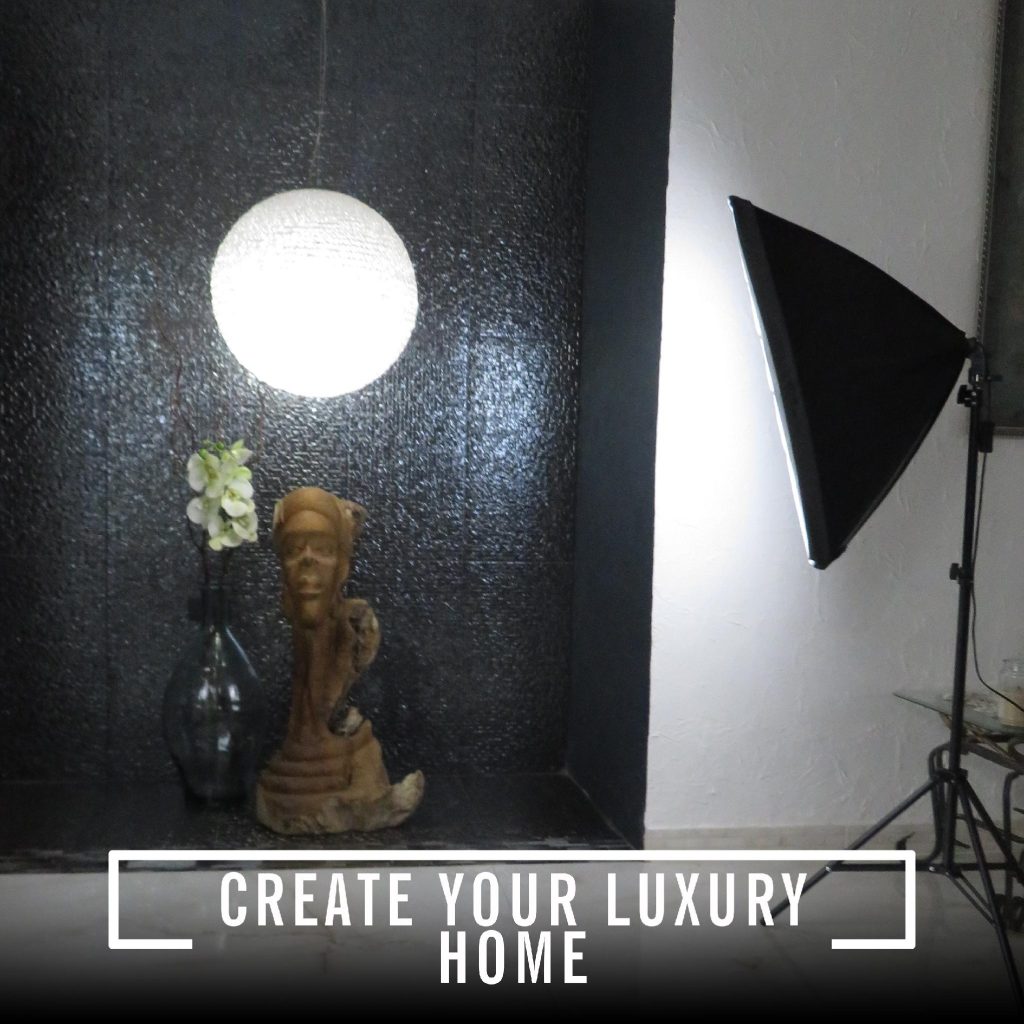
- Warm, softer lighting in the evening instead of harsh overhead light everywhere.
- A beautiful throw, comfortable chair or bedding that invites you to actually rest.
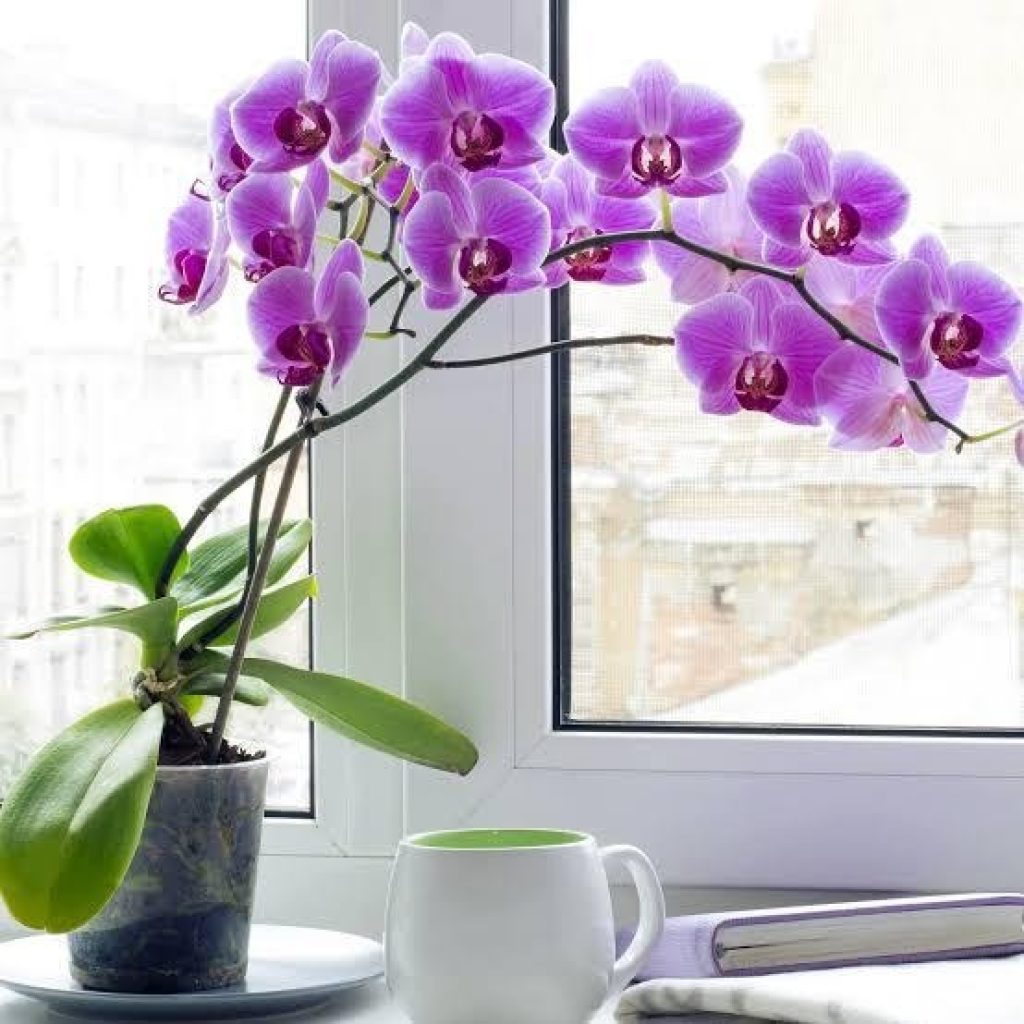
- Fresh flowers, greenery or a carefully chosen object that gives the room personality.
- A candle, diffuser or shower ritual that marks the transition from work mode to home mode.
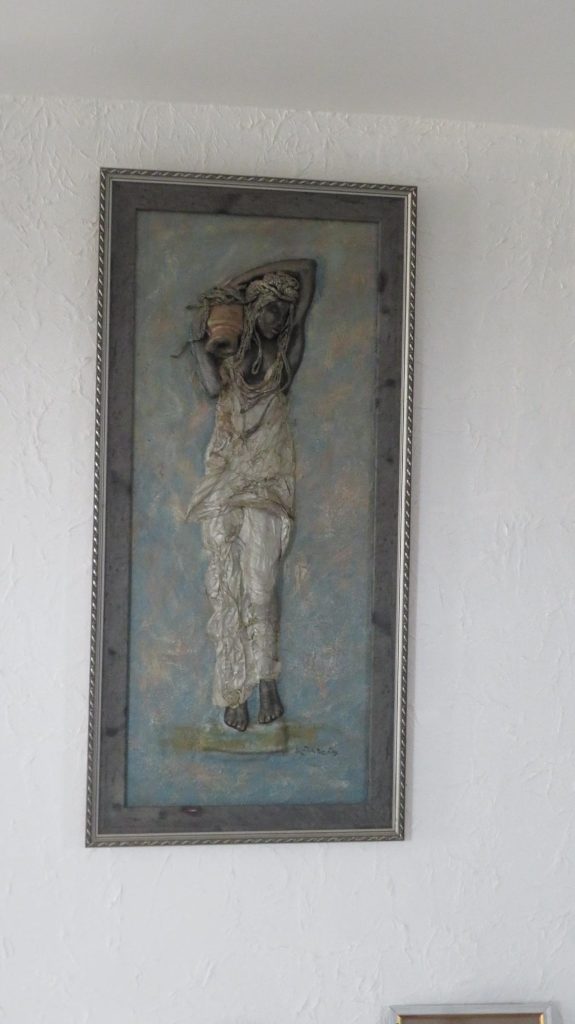

None of these has to be expensive. The point is to stop saving every good experience for holidays, birthdays and hotel stays. Your everyday life is where most of your life happens.
Luxury Should Reduce Friction, Not Create Financial Stress
There is an important qualifier. Something is not luxurious simply because it has a famous label or a high price. If buying it creates anxiety, debt or pressure, it may be doing the opposite of what lived luxury is meant to do.
Spend more where quality genuinely improves your experience. Spend less where it does not. Keep what you love in good condition. Buy things that suit your body, your home and your actual life — not an imaginary audience.
Explore more ideas under Lived Luxury and use the framework as permission to make comfort practical rather than performative.
The Power Is in How the Three Pillars Work Together
The pillars are strongest when they stop operating as separate categories.
- Healing Rituals ask: What does my body, mind or spirit need in order to function well?
- Intentional Living asks: Does the way I spend my time and energy reflect what matters most?
- Lived Luxury asks: How can my environment and everyday choices make that life easier, more comfortable and more beautiful?
Imagine the difference. You begin the morning with water and a few quiet minutes instead of immediately reaching for your phone. You know the one important outcome for the day. Your calendar has room for the people and priorities you claim matter. You move your body in a way you enjoy. You come home to a space that helps you exhale. At night, you have a simple ritual that tells your mind and body the day is ending.
None of those decisions is revolutionary on its own. Together, they change the texture of a life.
A Simple 3-Pillar Reset You Can Start This Week
Do not attempt a total reinvention on Monday. Choose one action from each pillar.
- Healing Rituals: choose one body-care ritual — morning water, ten minutes of gentle movement, prayer, slow breathing, an earlier wind-down or another practice you can genuinely repeat.
- Intentional Living: choose one weekly priority and one daily priority. Put both where you will see them.
- Lived Luxury: improve one frequently used part of your environment — your pillow, lighting, scent, bedside area, workspace or another small point of daily friction.
Then repeat. Better is rarely the result of one heroic day. It is the cumulative effect of ordinary choices made with greater clarity.
What a Better Life Actually Looks Like
A better life will look different for each of us. For one person, it may mean greater energy and fewer frantic mornings. For another, it may mean being present with the children at dinner. It may mean rebuilding a spiritual practice, protecting recovery time, travelling more comfortably, taking better care of your body, or finally creating a home that feels like somewhere you want to be.
The common thread is alignment.
You are no longer treating your body as an inconvenience, your calendar as an emergency room and comfort as something you must earn after exhaustion.
You are designing a life that supports the person who has to live it.
Start Where You Need Support Most
You do not need to fix everything. Start with the pillar that is calling for attention.
If your body and mind are depleted, begin with Healing Rituals. If life feels busy but directionless, begin with Intentional Living. If your routines work but life feels unnecessarily hard or joyless, explore Lived Luxury.
And if you need help turning the philosophy into a structure that fits your real life, explore Chali-A Life & Wellness Coaching.
For A Better Me™ is not a demand to become someone else. It is an invitation to support who you are now — and build, deliberately, from there.