INTENTIONAL LIVING: HOW TO DESIGN A LIFE THAT WORKS

Most people are not lacking motivation. They are lacking structure.
You do not need another ambitious goal-setting session. You need a life design that supports how you actually live, think, work and recover each day.
What Is Intentional Living?
Intentional living means making conscious choices about how you use your time, energy, attention and environment. It is not about doing more. It is about aligning daily actions with your priorities, capacity and long-term direction.
The practical answer is simple: clarify what matters, create supportive systems, remove avoidable friction and review what is working. When those four elements are in place, personal growth becomes less dependent on motivation and more consistent in real life.
Why People Feel Disconnected From Their Own Lives
There is often a gap between how people want to live and how they actually spend their days. That gap is rarely a character flaw. More often, it is a design problem created by competing priorities, constant interruption and routines that no longer fit.
You may recognise the signs:
• Constant mental overload
• Unclear or competing priorities
• Reactive decision-making
• A daily rhythm built around other people’s demands
• Little protected time for recovery, reflection or meaningful work
When every demand appears equally urgent, the day becomes a negotiation with chaos. You may stay busy yet still feel that the important parts of life are waiting in the corridor.

The Clarity Gap: What Most Self-Improvement Advice Misses
Many self-improvement messages focus on motivation, discipline and hustle. Those qualities can help, but they cannot compensate indefinitely for an environment or schedule that works against you.
Intentional living flips the model. Instead of repeatedly forcing better behaviour, you design conditions that make better behaviour easier. That may mean preparing tomorrow’s priorities before you close work, placing recovery time on the calendar or simplifying a recurring decision.
This principle aligns with Harvard Business Review’s guidance to manage energy, not only time. Sustainable performance requires deliberate renewal as well as focused effort.
The For A Better Me™ Framework
For A Better Me™ approaches growth through three connected pillars: Healing Rituals, Intentional Living and Lived Luxury. Together, they move change beyond good intentions and into daily practice.
1. Reset Through Healing Rituals
Resetting creates the internal capacity for change. It can include emotional regulation, energy management, restorative pauses, sleep support and mental clarity practices. Without recovery, even an excellent plan becomes difficult to sustain.
Begin with healing rituals that support daily recovery and choose one practice that can fit naturally into your existing day.
2. Rebuild Through Intentional Living
Rebuilding introduces structure: weekly planning, daily anchors, decision rules and boundaries around what deserves your attention. The aim is not rigid control. It is to create enough clarity that you are no longer reinventing the day every morning.
A practical next step is to design a week that actually supports you by matching priorities with both available time and realistic energy.
3. Refine Through Lived Luxury
Refining considers the quality of the experience. Comfort, beauty and ease are not merely decorative; used thoughtfully, they can reduce friction and make helpful routines more inviting. A calm workspace, softer evening lighting or an organised travel kit can quietly support consistency.
This is the practical idea behind cultivating a life of comfort and elegance: luxury should serve real life, not perform for an audience.
HOW TO START LIVING MORE INTENTIONALLY
1. Define What Actually Matters
Set aside the impressive answer and identify what is functionally important in this season. Ask: What needs more attention? What consistently drains me? What would make an ordinary day work better? Choose three priorities rather than a catalogue of aspirations.
2. Build a Weekly Structure, Not Another To-Do List
A list records demands. A structure gives them context. Assign a few priority blocks for meaningful work, routine administration, relationships, personal time and recovery. Leave breathing room. A calendar packed to the margins is not strategic; it is merely optimistic with stationery.
3. Reduce Repeated Decisions
Decision fatigue grows when the same small questions return every day. Simplify recurring choices such as meals, clothing combinations, work-start routines, shopping lists and household resets. Save your best thinking for decisions that genuinely require it.
4. Create Three Daily Anchors
Anchors provide stability without requiring a rigid schedule. A morning reset can establish direction, a midday pause can prevent the afternoon from drifting, and an evening wind-down can close the day deliberately. Each anchor can take ten minutes or less.
5. Review and Adjust
At the end of the week, ask what supported you, what created friction and what needs to change. Intentional living is a responsive system, not a perfect routine. The review prevents you from maintaining habits that look disciplined but no longer serve their purpose.
Intentional Living in Different Places and Seasons
A useful life design must reflect its context. Someone navigating long commutes and compact living in New York City will need different systems from someone managing heat, distance and car-based routines in Florida, Texas or California. In Los Angeles, often searched as LA, traffic and changing schedules may make flexible time blocks more realistic than fixed routines. In Jamaica, family, community, climate and local work rhythms may shape both priorities and recovery practices.
The same principle applies across the USA and Jamaica: do not import another person’s routine without examining whether it fits your responsibilities, culture, environment and energy. Keep the intention; adapt the execution.
Tools That Make Intentional Living Easier
Tools should remove friction, not create another shopping project. Select only what solves a specific problem in your routine.
Planning and Visibility
• An undated daily planner for priorities and appointments

• A magnetic weekly board for shared or highly visible schedules

• A simple focus timer for protected work blocks
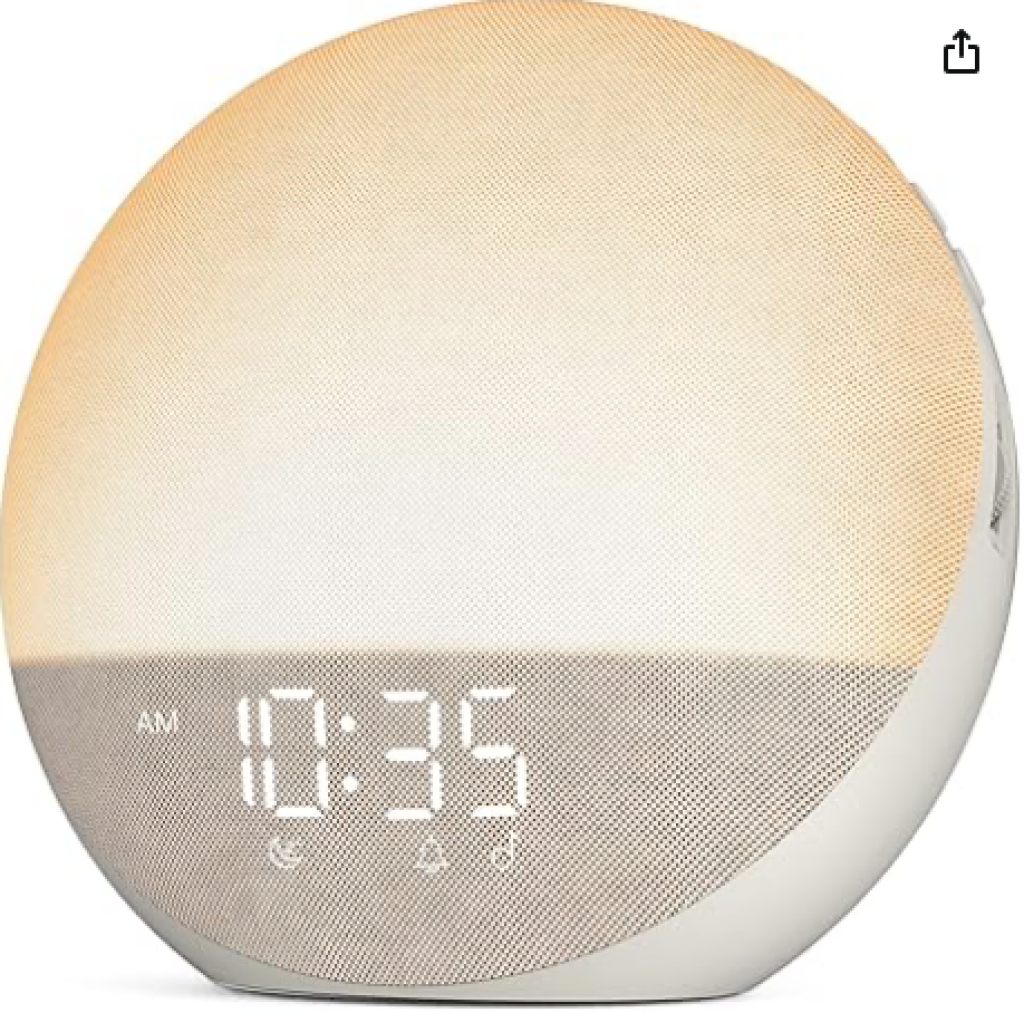
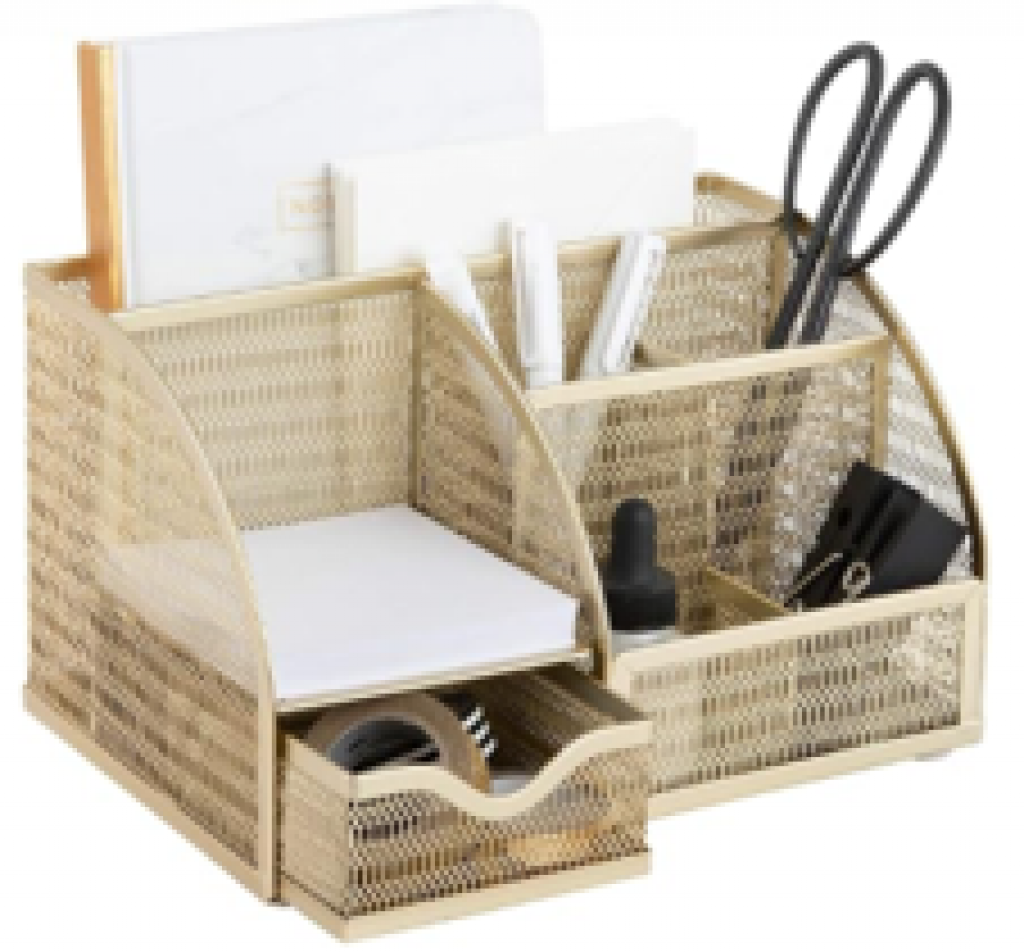
• A neutral desk organiser to reduce visual clutter
Recovery and Environment
• A breathable weighted blanket selected for personal comfort

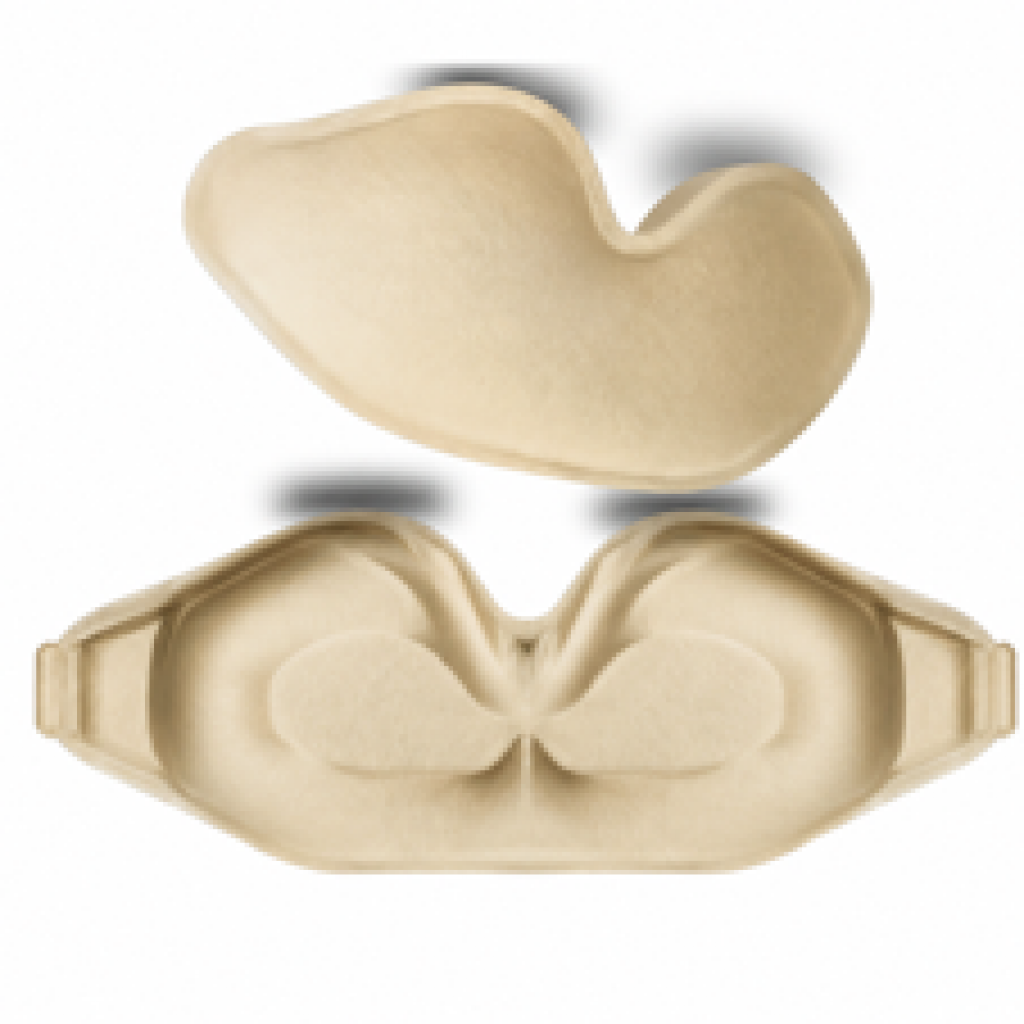
• A silk sleep mask for a darker wind-down environment
• A diffuser used as a consistent sensory cue for rest or focus

• A reusable water bottle or hydration organiser for an easier daily reminder

Browse curated intentional-living tools and choose according to the function you need, not the number of products you can collect.
What Intentional Living Actually Looks Like
Intentional living is not a perfectly aesthetic life, a rigid routine or a productivity obsession. It is waking with greater clarity, making fewer unnecessary decisions, protecting energy for what matters and having systems that continue to work on imperfect days.
The outcome is not constant control. It is less avoidable chaos. You begin to notice clearer decisions, more consistent habits, better boundaries and a calmer relationship with time. Your life may not look louder or more impressive. It will feel more precise and more your own.
Frequently Asked Questions
- What is intentional living in simple terms?
It is the practice of making conscious choices about how you spend your time, energy, attention and resources so that daily life reflects what matters to you.
- How do I begin intentional living?
Start with one area of friction. Clarify the outcome you want, create one supportive routine and review it after a week. Small systems are more sustainable than dramatic overhauls.
- Is intentional living restrictive?
No. Good structure reduces unnecessary decisions and protects flexibility for the things that matter. The system should support your life, not become another demand.
- Does intentional living look the same for everyone?
No. It should reflect your health, work, family responsibilities, culture, location, resources and current season of life.
IF YOU’RE READY TO GO DEEPER
If you have been trying to create better routines but still feel inconsistent, the missing element may be structure rather than effort. Explore the Chali-A coaching experience for practical support in creating a life that is clearer, more aligned and designed for real life.
Your Next Step
Intentional living is not a one-time decision. It is a system you build, test and refine over time.
Continue with a practical weekly-design guide, explore the Intentional Living pillar, or visit the Chali-A shop for tools selected to support everyday life.
The goal is simple: a life that works with you, not against you.