
5 Tips for Cutting the Cost of Travelling
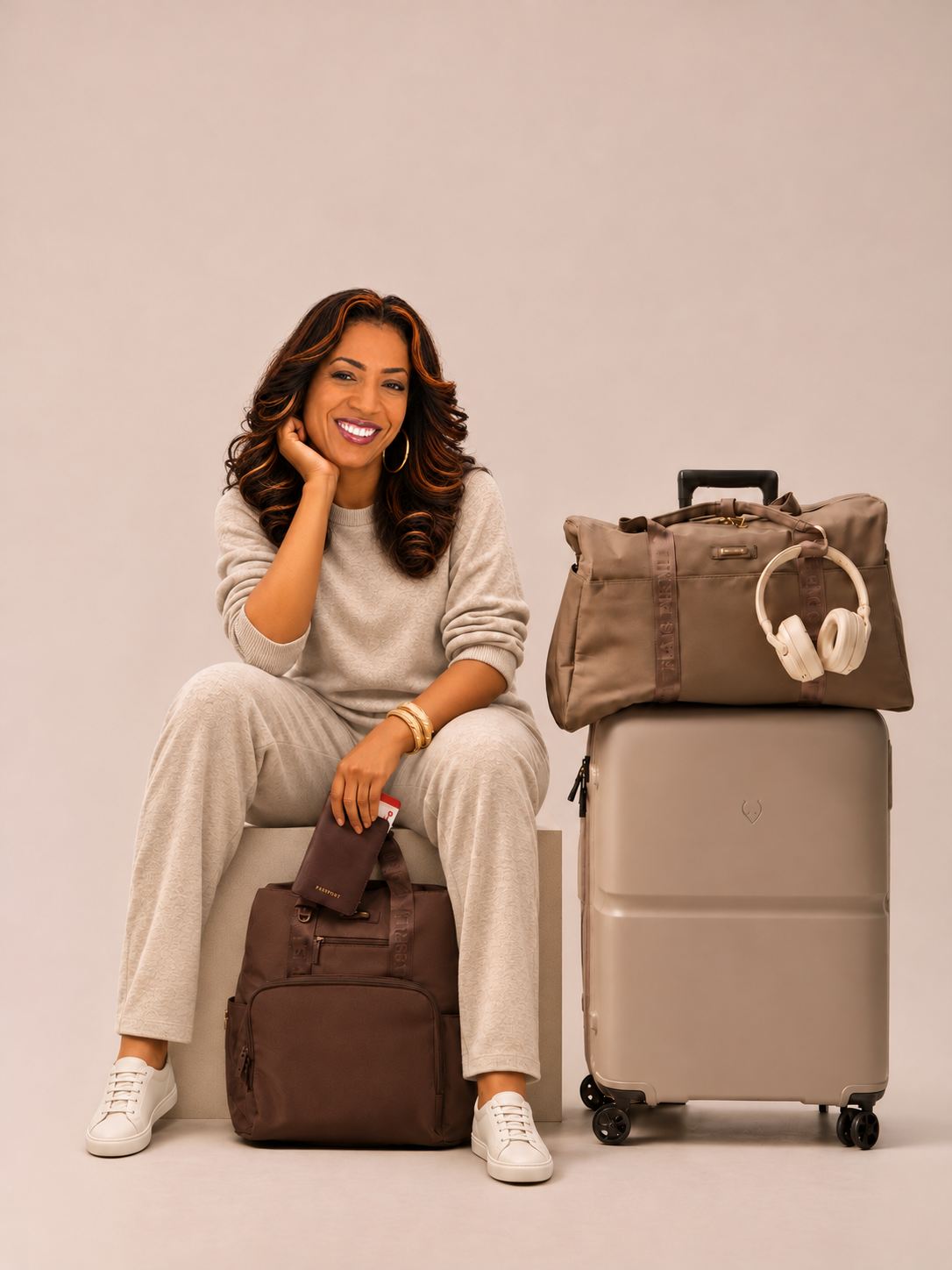
Whether for pleasure or business reasons, it is normal for us to sometimes pack our bags, hit the road and head to a new destination. But while travelling is, no doubt, an exciting experience, it is not without its expenses. From accommodation costs to rental services, tour guides to airfare, and everything in between, travelling can drill a hole in your pocket if you don’t plan properly.
This then begs the question: what can you do to cut back on your travel expenses? Here are five things I’d do to keep the costs down and still be comfortable.
1. Save on airfare
Since you’re looking to hack down your travel costs, the first place I’d look is airfare. I always say, treat your airline like your partner. Don’t cheat on it. If the airline serves the places you actually go, stick with it and build your miles. You may be able to upgrade your seat or use miles for a flight, though taxes and fees can still apply. And if you have a credit card that earns miles you’ll use, stick with that one too, as long as the fees make sense and you can pay it off.
Sometimes it costs less to buy a regular ticket and then pay to bump up to business than to buy the business seat outright. Price it both ways. Check whether your ticket qualifies for an upgrade, (if business class is important to you, remember the upgrade has to be available) as not all class tickets qualify for upgrades.
In these modern days of AI and ‘split run’ pricing, I like to check airfares in an incognito window and compare the exact flight, fare and baggage allowance. My daughter and I have looked at the same trip and seen different prices, this happens often when she may have checked the site on a number of occasions. Just remember now it’s much easier to track customer behaviours which are used as buying signals which may cause differential pricing.
Also look at the days you can actually fly. If you’re travelling around Christmas, consider the price of tickets on New Year’s Day alongside the fares on December 26 through 30. On your route, it may be cost significantly less to travel on the holiday itself, when the demand for flights is lower, as many persons are traveling days before the holiday. The time of year matters, and a bit of flexibility can help. Google’s holiday flight guide is a useful starting point if you want to compare dates and track fares.
While you’re pricing the trip, look online for travel insurance. Get a few quotes and read what each policy covers, especially cancellation, medical expenses abroad and any exclusions that matter to you. Once you’ve found cover that fits the trip and your budget, buy it. Check the dates by which you have to buy to qualify for any time-sensitive benefits.
2. Don’t only use hotels
Hotels may be your first thought when you’re travelling. Sometimes, staying in someone’s condo or apartment can be more luxurious and cost less. If I’m going to Paris for a longer stay, I’d look at a furnished apartment or an aparthotel. That’s the one with apartment-style space and a kitchen, often with all the hotel services. Of course, an AirBnB is often on the list for many persons. Compare the full price, including any cleaning fees, and look at how far you’ll be from the places you want to go.
A full kitchen means you can cook, microwave or refrigerate your own food. I have a travel-size kitchen complete with blender, spices, protein powder and utensils (check out my YouTube channel for the complete mobile kitchen list)
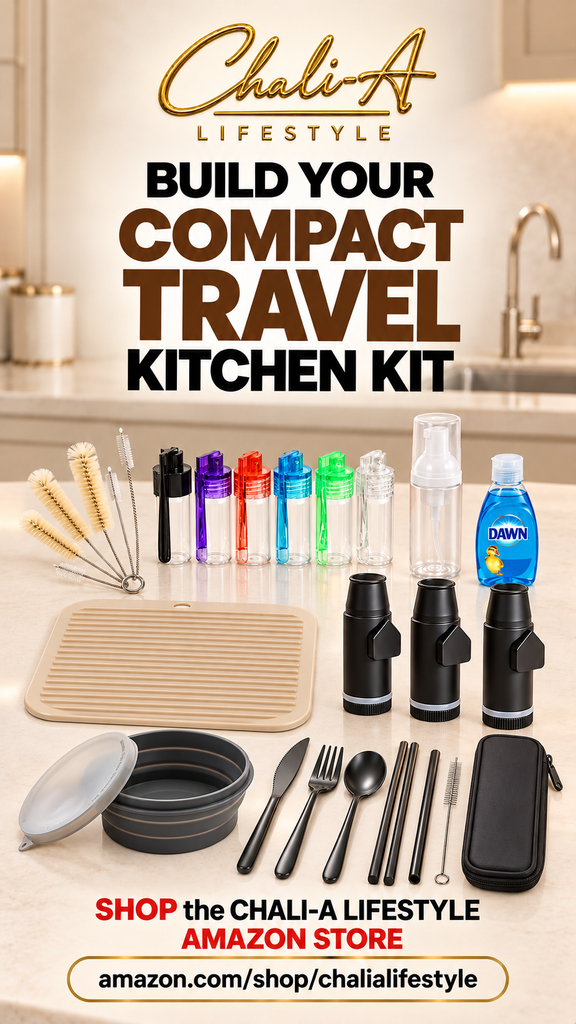
as I need to eat healthy, so at a minimum, I can make a shake, coffee, fix breakfast, and have fruits to snack on throughout the day. This also allows me to enjoy nice dinners out. And if you want a familiar start to the day wherever you’re staying, take my free Morning Reset Checklist with you.
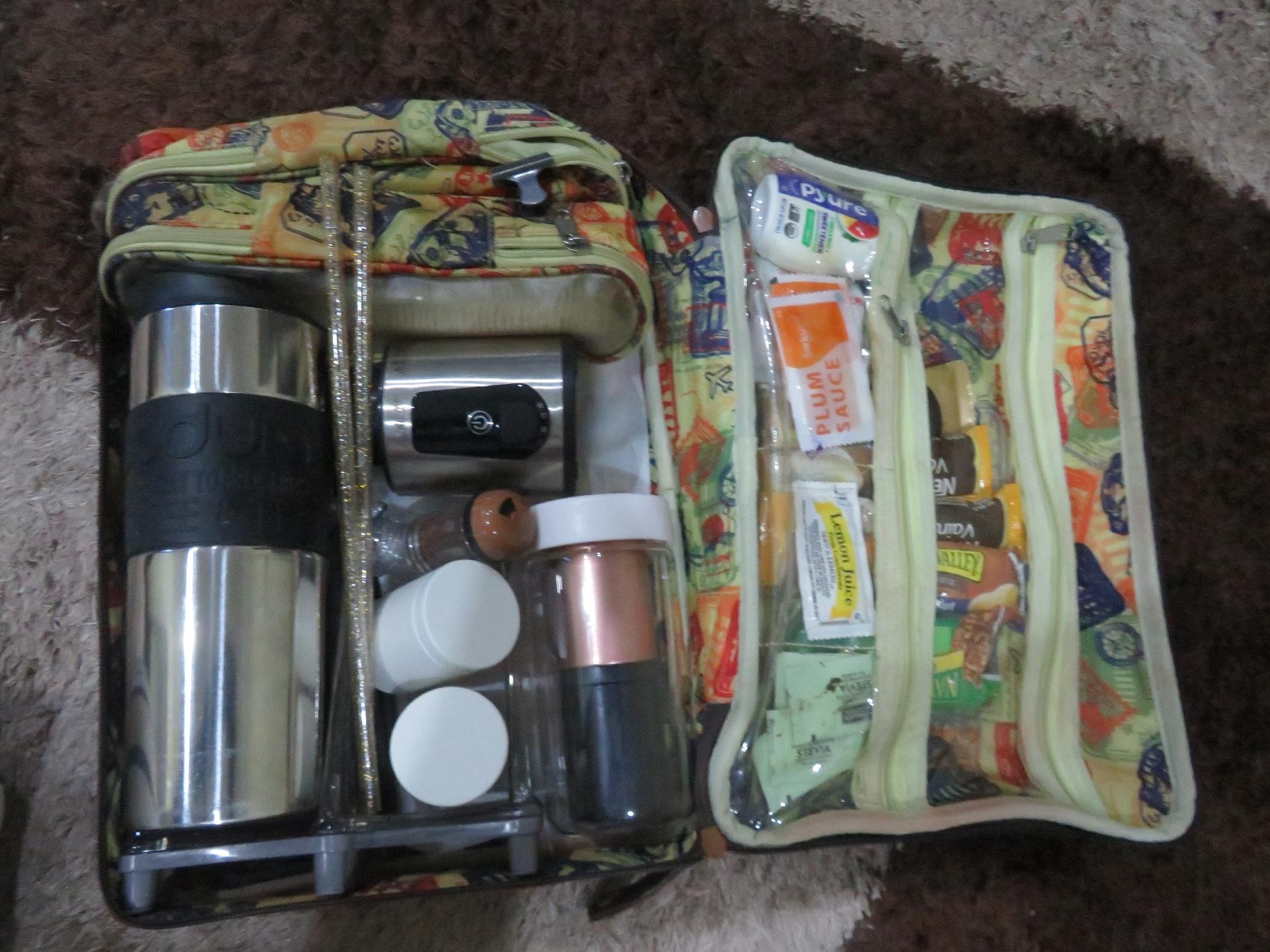
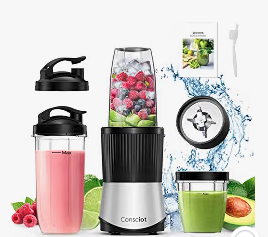
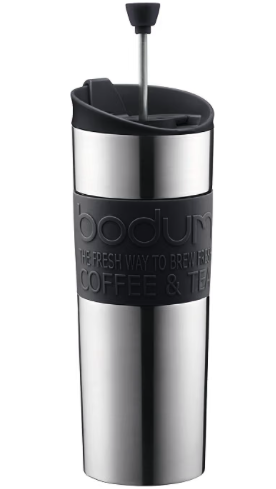
Travel blender ensures I can stick to a healthy diet Portable coffee press is one of my ‘can’t do without’ travel
3. Choose a cheaper transportation option
Depending on where you’re going, look at the train, bus, metro, taxi, rideshare or rental car. If there’s a good train and the station is close, take a look at the ease and the price before you assume you need a car. Admittedly for me, the train isn’t my first choice in a new country. And if I’ve just come off a long flight and my body is telling me to go straight to the hotel, I’ll always budget for the direct ride. If you also travel with chronic pain, my Pain Flare Planner can help you decide in advance what you’ll change if your body needs an easier day.
If you need a rental car, book it before you go. Check what’s included and decide which extras you want while you’re sitting at home. At the counter they often pile on a number of options, and it’s easy to say yes in the moment then have buyer’s remorse the moment you drive away with a bigger bill.
I also check whether the credit card I’ll use to pay offers rental-car coverage. Call the card issuer before you leave and ask what it covers, where it applies and what you have to do for it to kick in. Some cards cover damage to the rental but leave you to arrange liability cover separately. Get the terms in writing so you have them when you’re at the counter. The NAIC’s guide to auto insurance explains why it’s worth checking the card benefits yourself.
Remember to check the fuel policy. If the agreement says to bring it back at the same level, I always skip the prepaid fuel and stop at a gas station near the return location. Put in what you need to get it back to that level and keep the receipt.
4. Use a travel credit card
If you’re already spending money on groceries and the things you buy every month, why not see whether those purchases can earn you miles? A travel card may have a welcome offer as well, but check what you have to spend to earn it. If I have to go shopping just to meet the minimum, the card has made its money before I’ve even booked the trip.
Look at the annual fee, where you can use the points and what you’ll still pay in taxes or fees when you redeem them. And if you’re paying interest to earn the miles, check whether the reward is worth what you’re paying for it.
5. Pack light enough to leave yourself some room
I like a capsule wardrobe. Take pieces that can make several outfits, and make sure you’ll actually be comfortable in them. I also leave room to bring things home. You know you’re going to see something you like. Weigh the bag before you leave, check your allowance and leave yourself enough space and weight for whatever you buy. I talk about what I pack, and why I sometimes take a checked bag, in my Mexico packing story.
Carry your snacks. I take nuts or fruit snacks, and I bring an empty water bottle through security. Once I’m on the plane, I ask if the attendant to fill it for me, I’ll then add my electrolyte powder or whatever flavour I brought. On long flights, magnesium is part of my own routine. And I always carry my three-in-one coffee. I ask for hot water when the crew can bring it, and I can have my coffee without waiting for the meal service. If I’m in business or first class I still use my 3own coffee but they usually have healthy enough snacks and decent food. Nevertheless, I like having something I know I’ll enjoy. For international trips the rules are different so check what food you’re allowed to bring into the destination.
The days of dressing up to go to the airport might be gone, but I’m telling you, put yourself together well. Wear something comfortable that looks good on you, and keep your luggage looking good too. I’ve been bumped up on planes and at hotels. I give my luggage some of the credit, and I mean the whole matching set. And be pleasant. You’d be surprised what a difference it makes to the conversation. I share more of that approach in my first-class travel habits.
For me, that’s Lived Luxury: save where I can, spend on the comforts I’ll actually enjoy and leave a little room in the suitcase for whatever comes home with me.
Living Well. By Design.