

The Power of Meditation: How to Find Calm in a Busy Life
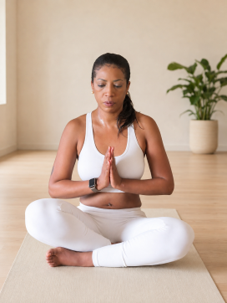
You can have a full calendar, a capable mind and a life that looks beautifully managed, and still feel as though your nervous system has twenty browser tabs open.
That is where the power of meditation becomes practical. Meditation is not an escape from real life, nor is it a demand that you empty your mind. It is a trainable way of paying attention, deliberately, gently and without allowing every thought, alert or pressure to take command.
For busy professionals and caregivers across the United States, from high-pressure days in New York and Los Angeles to fast-growing work and family demands in Florida and Texas, the search is rarely for more inspiration. It is for a repeatable way to pause, regain clarity and respond with intention. Meditation can become that small, reliable reset.
What Is the Power of Meditation?
The power of meditation lies in its ability to change your relationship with attention, stress and discomfort. With regular practice, meditation may help reduce perceived stress, support emotional wellbeing, improve attention and make difficult moments feel more manageable. It does not eliminate deadlines, pain or uncertainty. It helps you meet them with more space between the trigger and your response.
The key is consistency, not performance. Five grounded minutes practised regularly can be more useful than a heroic forty-minute session followed by three weeks of avoidance.
What Meditation Is & What It Is Not
Meditation is an umbrella term for practices that train attention and awareness. Some techniques focus on the breath. Others use sound, movement, a phrase, compassion, prayerful reflection or non-judgmental observation of thoughts and sensations.
Meditation is not:
- forcing the mind to become blank;
- ignoring difficult emotions or pretending that everything is fine;
- a substitute for appropriate medical or mental-health care; or
- a competition to sit perfectly still for the longest time.
At Chali-A Lifestyle, meditation fits within Healing Rituals: simple practices that help the body and mind recalibrate without overwhelm. It also supports Intentional Living because awareness makes better choices possible.
What the Science Says About Meditation Benefits
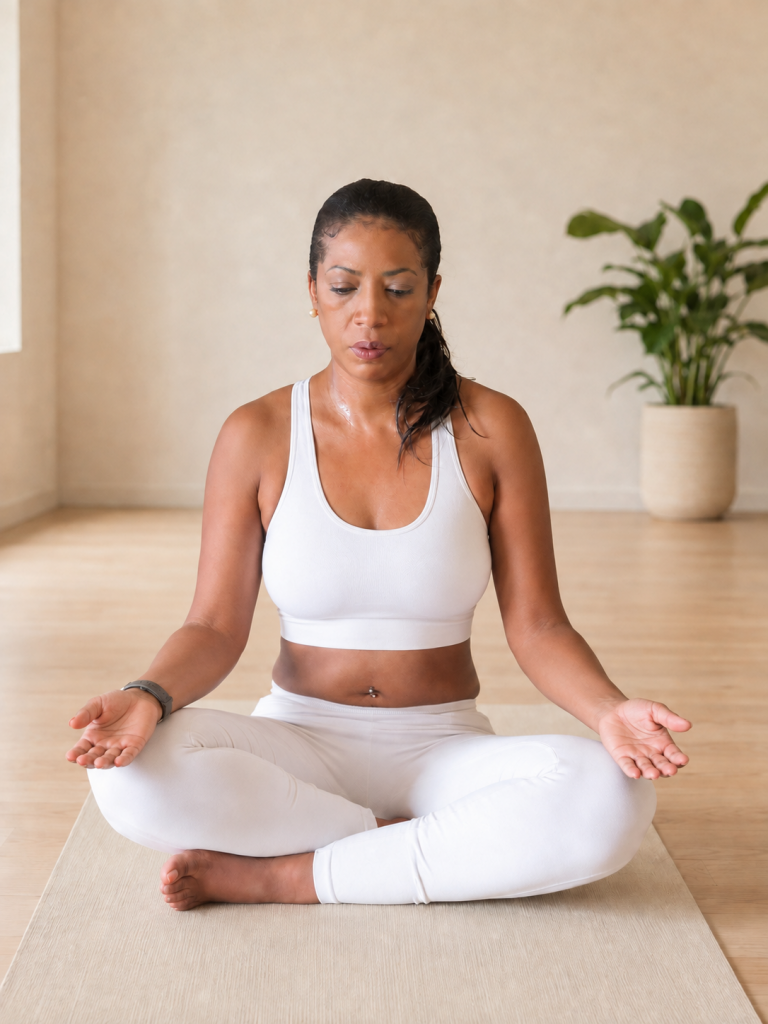
Meditation has moved from the margins of wellness culture into mainstream U.S. life. CDC national health data reported that adult meditation use rose from 4.1% in 2012 to 14.2% in 2017. Popularity, however, is not proof of a cure. The more useful question is where research shows reasonable potential, and where the evidence is still mixed.
1. Meditation may reduce stress and anxiety symptoms
Mindfulness practices can help people notice thoughts and physical stress signals without immediately being swept into them. Reviews summarized by the U.S. National Center for Complementary and Integrative Health suggest benefits for stress, anxiety and depression symptoms in some populations, while results and study quality vary. The honest promise is support, not magic.
2. Meditation can strengthen attention
Every time you notice that your mind has wandered and gently return to the breath, you are practising attention. The wandering is not failure; the return is the repetition. Over time, that skill can support clearer work, more deliberate decisions and less automatic reactivity.
3. Meditation may support living with chronic pain
Meditation does not mean imagining pain away. Evidence suggests mindfulness may offer modest help with pain and may improve some psychological aspects of living with chronic pain, though findings are mixed. For someone managing pain or fatigue, the value may be learning to meet sensation with less fear, tension or self-judgment.
That approach complements the Chali-A perspective in When Self-Care Becomes Survival: care must be practical enough for the body and life you actually have, not the body a wellness advertisement assumes you have.
4. Meditation can support emotional regulation
Meditation creates a pause in which an emotion can be named before it becomes an action. That pause can improve how you handle conflict, pressure and disappointment. You may still feel frustrated; you are simply less likely to hand frustration the company credit card and let it make executive decisions.
5. Meditation can reinforce restorative routines
A short practice can become a cue for winding down, beginning focused work or transitioning between roles. When paired with sleep, movement, hydration and realistic scheduling, meditation becomes part of a wider recovery system. Explore Healing Rituals That Support Daily Recovery for that broader framework.
5 Meditation Techniques to Try
- Mindfulness meditation
Sit or lie comfortably. Notice the breath, sounds and sensations as they arise. When thoughts appear, acknowledge them and return attention without judgment. This is a flexible choice for beginners and busy professionals.
- Breath-awareness meditation
Choose one physical point, the air at the nostrils, the rise of the chest or the movement of the abdomen. Follow a natural breath rather than forcing it. If focusing on breathing feels uncomfortable, use sound or touch as your anchor instead.
- Body-scan meditation
Move attention slowly through the body, noticing sensation without demanding change. This can be grounding, but anyone living with pain should shorten or redirect the practice if sustained body attention increases distress.
- Loving-kindness meditation
Silently offer phrases of goodwill toward yourself and others. The purpose is not forced positivity; it is the deliberate practice of compassion, particularly when the inner voice has become unnecessarily sharp.
- Walking or movement meditation
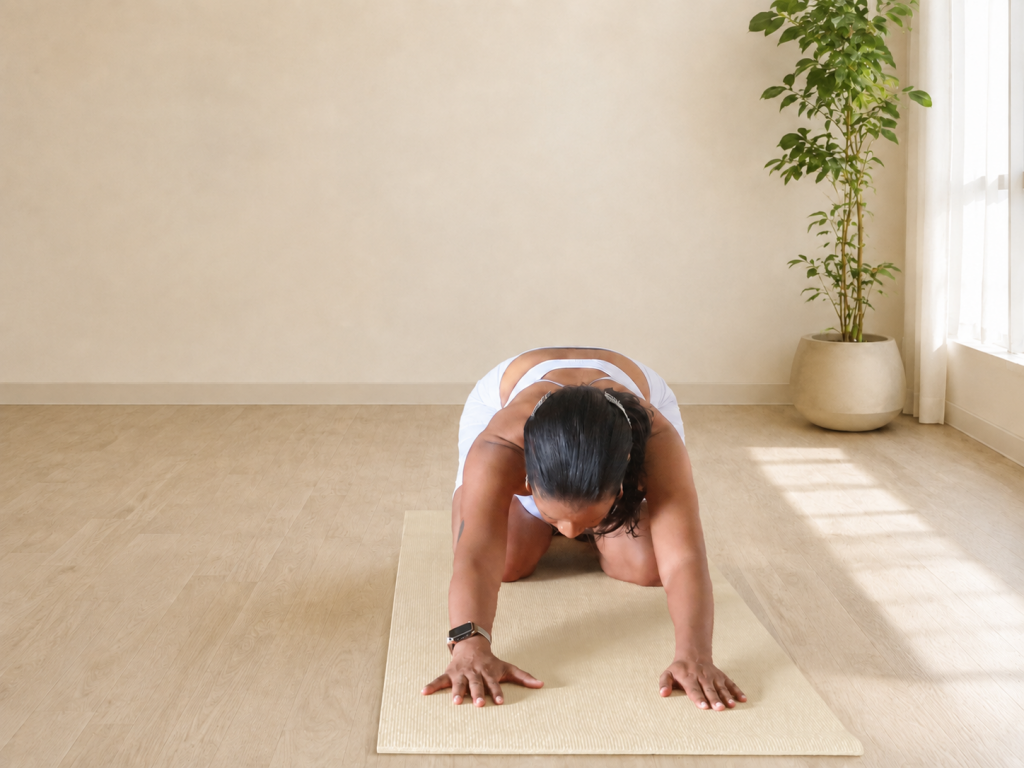
Meditation does not require a cushion. Slow walking, gentle stretching or adapted yoga can become mindful when attention stays with movement and sensation. Choose a form that respects your mobility, energy and medical guidance.
A Simple 5-Minute Meditation for Beginners
Use this routine once daily for seven days. Attach it to an existing cue, after morning water, before opening email or when ending the workday.
- Minute 1 — Arrive. Sit, recline or stand in a supported position. Let your eyes close or soften. Notice where your body is supported.
- Minute 2 — Choose an anchor. Follow the natural breath, a steady sound or the feeling of your hands resting.
- Minute 3 — Notice. When a thought, emotion or sensation takes attention, label it gently: thinking, planning, tension, sound.
- Minute 4 — Return. Bring attention back to the anchor. Repeat as often as needed. Returning is the practice.
- Minute 5 — Re-enter. Notice the room, move slowly and choose one intention for the next part of the day.
If your week has no natural place for recovery, meditation will keep losing the calendar battle. Use How to Design a Week That Supports You to build the practice into a more supportive rhythm.
How to Make Meditation Consistent
- Start smaller than your ambition. Two to five minutes lowers resistance and builds the identity of someone who practises.
- Use one dependable cue. Pair meditation with coffee, lunch, closing the laptop or bedtime.
- Keep the setup visible. A chair, mat or headphones can signal that the practice is ready when you are.
- Track completion, not perfection. A simple check mark is enough; meditation does not need another dashboard worthy of a quarterly board meeting.
- Adjust for real life. On difficult days, practise lying down, walking slowly or listening to a short guided session.
- Review the effect monthly. Ask whether you recover faster from stress, focus more deliberately or respond less automatically.
Tools That Can Support a Meditation Ritual
Products do not create mindfulness; they reduce friction. Choose only what solves a genuine problem in your environment.
If the floor is uncomfortable: use a cushioned yoga mat for supported seated, lying or movement meditation.
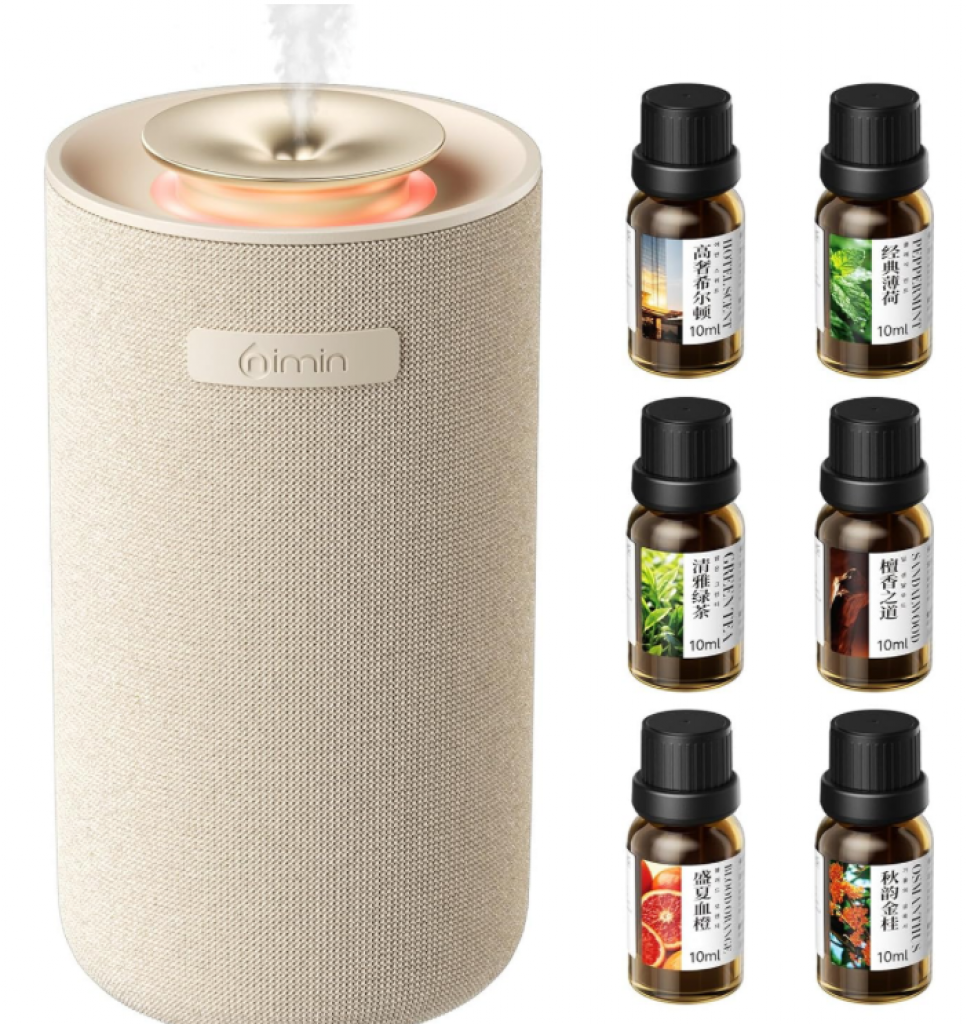
If your space needs a consistent cue: consider a quiet diffuser and, if scent suits you, a preferred essential-oil blend. Skip fragrance if you have sensitivities.

If settling the body is difficult: a weighted blanket may feel calming for some adults. Confirm that it is safe and comfortable for your mobility, breathing and health needs.

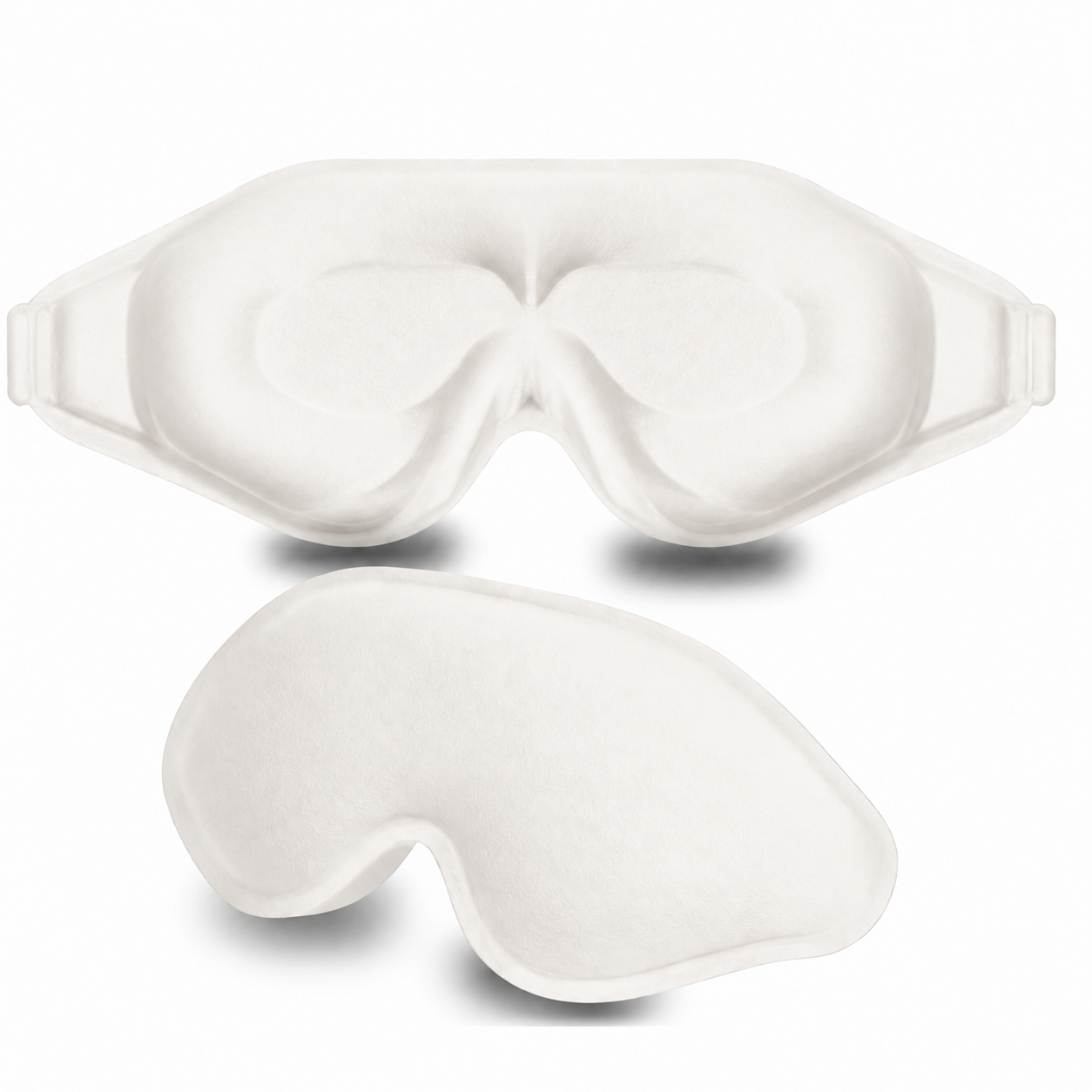
If light disrupts rest or a lying-down practice: a contoured sleep mask can reduce visual distraction.
Affiliate note: Some product links are affiliate links. If you purchase through them, Chali-A Lifestyle may earn a commission at no additional cost to you. Product ratings, availability and pricing can change; verify current details before purchasing.
Common Meditation Challenges
“My mind will not stop thinking.”
It is not supposed to. Notice the thought, then return. A busy mind gives you more repetitions; apparently it has volunteered to be your training partner.
“I do not have time.”
Begin with one minute. The objective is not to find spare time hiding behind the sofa; it is to decide that a brief reset deserves a place in the day.
“Sitting still increases my discomfort.”
Change position, shorten the practice or try walking meditation. Comfort and safety outrank tradition.
“Meditation makes me more anxious.”
Stop or switch to an externally focused anchor such as sound, an object in the room or gentle movement. Meditation is generally considered low risk, but negative experiences can occur. Seek guidance from a qualified health professional if symptoms persist or feel difficult to manage.
Meditation Is a Practice of Returning
The deepest power of meditation is not becoming permanently serene. It is learning that you can return—to the breath, the body, the present moment and the values that should guide what happens next.
That return matters whether you are navigating a demanding career, caring for others, living with chronic illness or simply trying to hear yourself above the noise. The practice is portable, adaptable and available without requiring a perfect morning routine or a silent house.
Start with five minutes. Let consistency make it meaningful. Then allow the practice to support a larger life that feels clearer, more sustainable and more intentionally yours.
If You’re Ready to Go Deeper
If you have been trying to create calm and consistency on your own but your routines still collapse under real-life pressure, structure may be the missing piece. Explore the Chali-A Coaching Experience for practical support in restoring balance, building capacity and designing a life that works for you.
You can also return to the For A Better Me™ home page to choose your next step across Healing Rituals, Intentional Living and Lived Luxury.
Frequently Asked Questions
How long should a beginner meditate?
Begin with two to five minutes a day. Increase gradually only when the shorter practice feels sustainable. Frequency is usually more useful than forcing a long session.
What is the best time of day to meditate?
The best time is the one you can repeat. Morning may support intention; midday can interrupt stress; evening may help you transition out of work. Test one time for a week before changing it.
Can meditation help with stress?
Meditation may help reduce perceived stress and some anxiety symptoms, but results vary. It should complement, not replace, appropriate professional care when stress is severe, persistent or affecting daily functioning.
Can I meditate while lying down?
Yes. Lying down is appropriate when pain, fatigue or mobility makes sitting uncomfortable. If you tend to fall asleep, keep your eyes slightly open or choose a supported reclined position.