

Unconventional Superfoods: 5 Simple Ways to Eat Well

Healthy eating does not require a cupboard full of expensive powders or a menu that feels like homework. Sometimes, one small ingredient can make an ordinary meal more nourishing, interesting and intentional.
The useful question is not, “Which food is a miracle?” It is, “Which nutrient-dense food can I use consistently as part of a balanced diet?” That distinction matters because no single food can compensate for an otherwise limited eating pattern.
Quick Answer: Which Unconventional Superfoods Are Worth Trying?
Spirulina, hemp seeds, moringa, seaweed and bee pollen can add protein, minerals, healthy fats or plant compounds to familiar meals. Their value comes from variety and convenience—not from treating or curing a medical condition.
Start with one ingredient, use a food-sized amount, read the label and pay attention to allergies, medications and thyroid concerns. Build the habit around meals you already enjoy.
What “Superfood” Really Means
“Superfood” is a marketing term, not an official nutritional category. A food earns attention because it is nutrient-dense or unusually convenient, but the broader pattern still does the heavy lifting: vegetables, fruit, whole grains, protein foods, healthy fats and adequate hydration.
For a broader approach to making wellbeing repeatable, explore Healing Rituals—simple practices that help care become part of real life rather than another project.
This is nourishment as a ritual: choose foods that support the day you are actually living, in portions and forms that suit your body.
The Best Five Unconventional Superfoods to Explore
1. Spirulina: A Concentrated Algae Ingredient
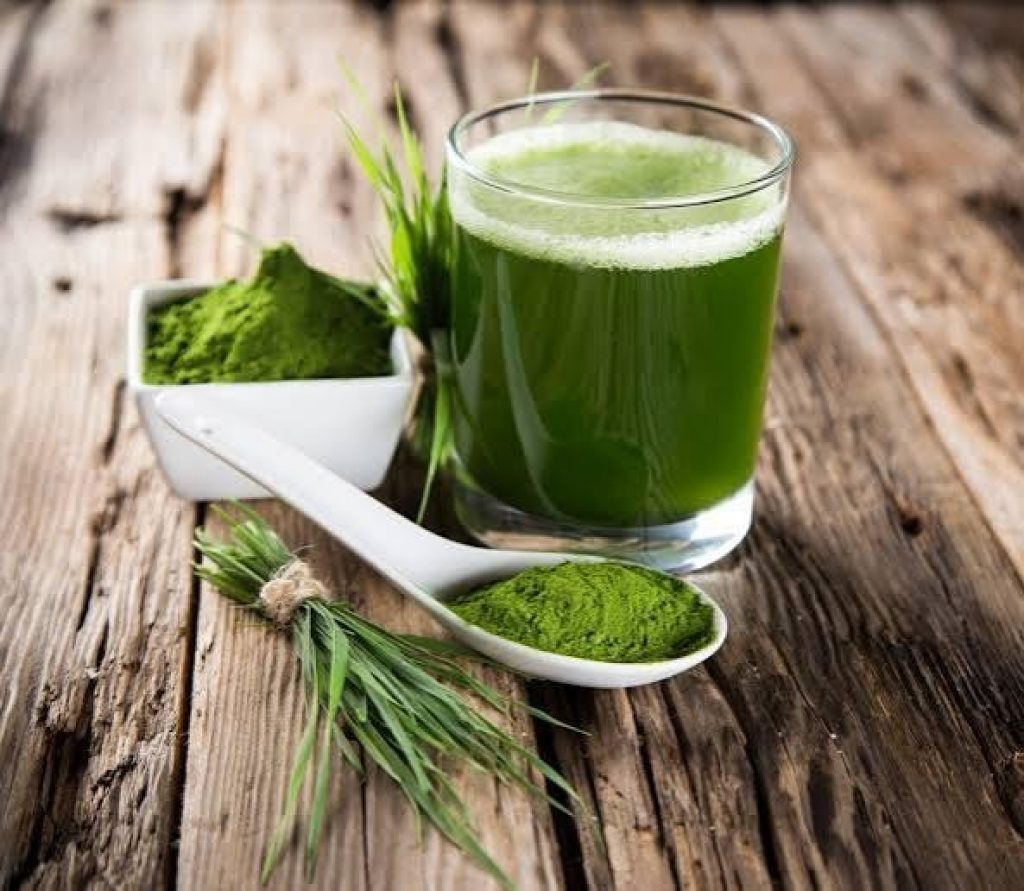
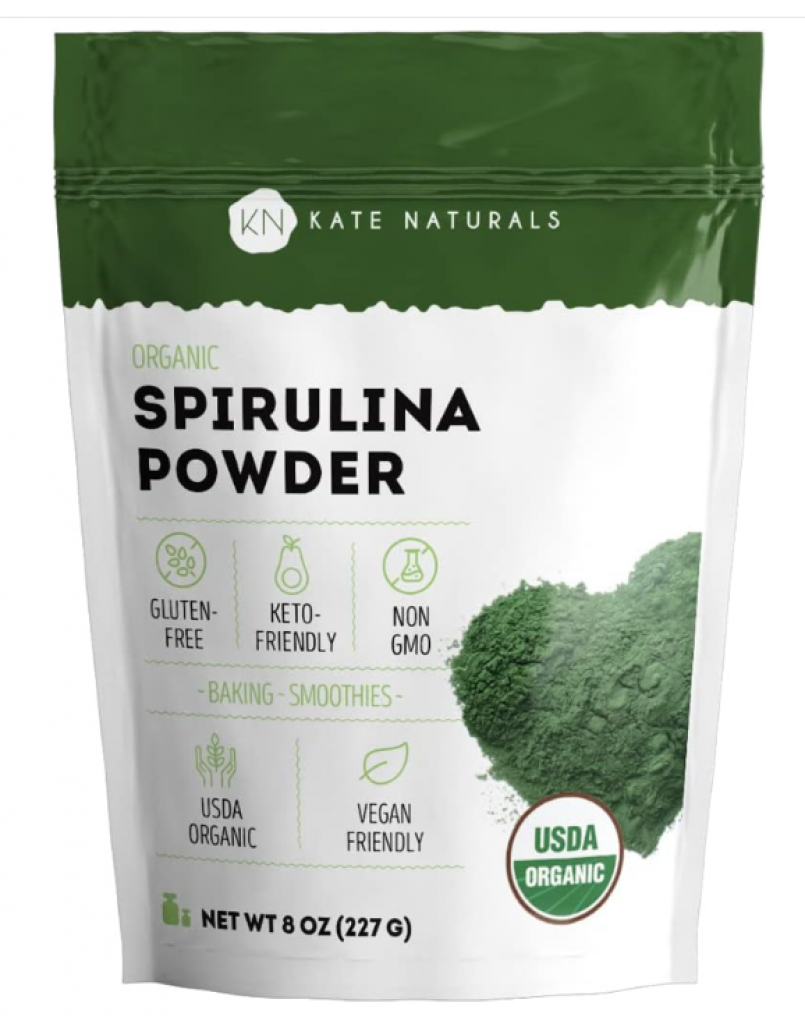
Spirulina is a dried blue-green algae product commonly sold as powder or tablets. It provides protein and several micronutrients, although the exact profile varies by brand and serving size. Its deep colour also comes from pigments such as phycocyanin.
The flavour is earthy, so a little goes a long way. Blend it into a fruit smoothie, stir a modest amount into yogurt, or combine it with cocoa and nut butter in an energy bite. Choose a reputable, clearly labelled product because quality controls matter for algae-based supplements.
2. Hemp Seeds: An Easy Protein-and-Fat Upgrade
Hulled hemp seeds have a mild, nutty taste and provide plant protein plus polyunsaturated fats. Unlike a strongly flavoured powder, they disappear easily into everyday meals, which makes them one of the most practical options on this list.0
Sprinkle them over oatmeal or salad, blend them into smoothies, or mix them into yogurt. They can also add texture to soups after cooking. The USDA FoodData Central database is a useful reference for checking nutrient values by brand or serving rather than relying on an advertising headline.
2. Hemp Seeds: An Easy Protein-and-Fat Upgrade
Hulled hemp seeds have a mild, nutty taste and provide plant protein plus polyunsaturated fats. Unlike a strongly flavoured powder, they disappear easily into everyday meals, which makes them one of the most practical options on this list.
Sprinkle them over oatmeal or salad, blend them into smoothies, or mix them into yogurt. They can also add texture to soups after cooking. The USDA FoodData Central database is a useful reference for checking nutrient values by brand or serving rather than relying on an advertising headline.
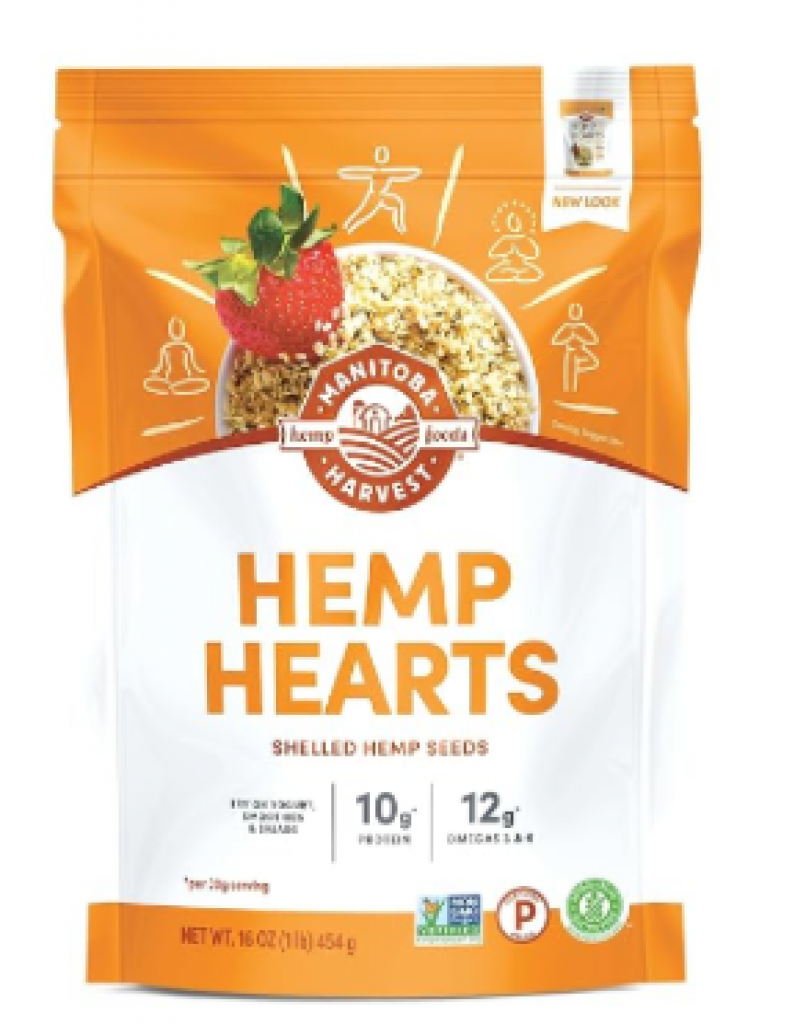
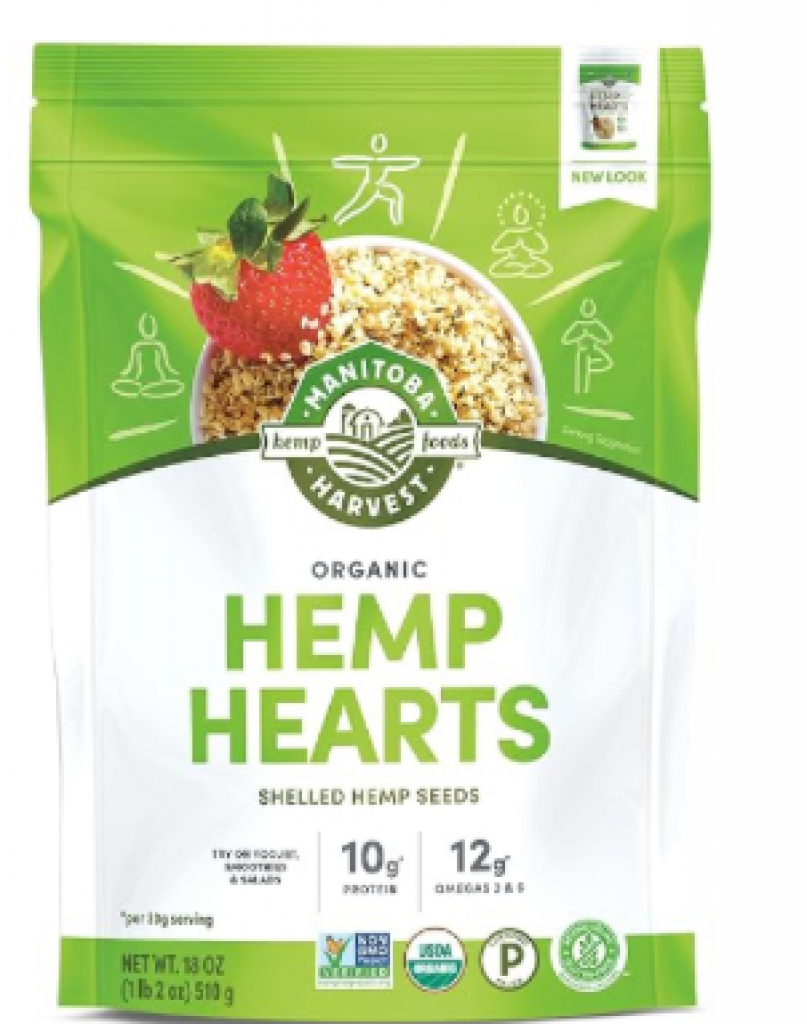
Great topping for breakfast, salads and soups.
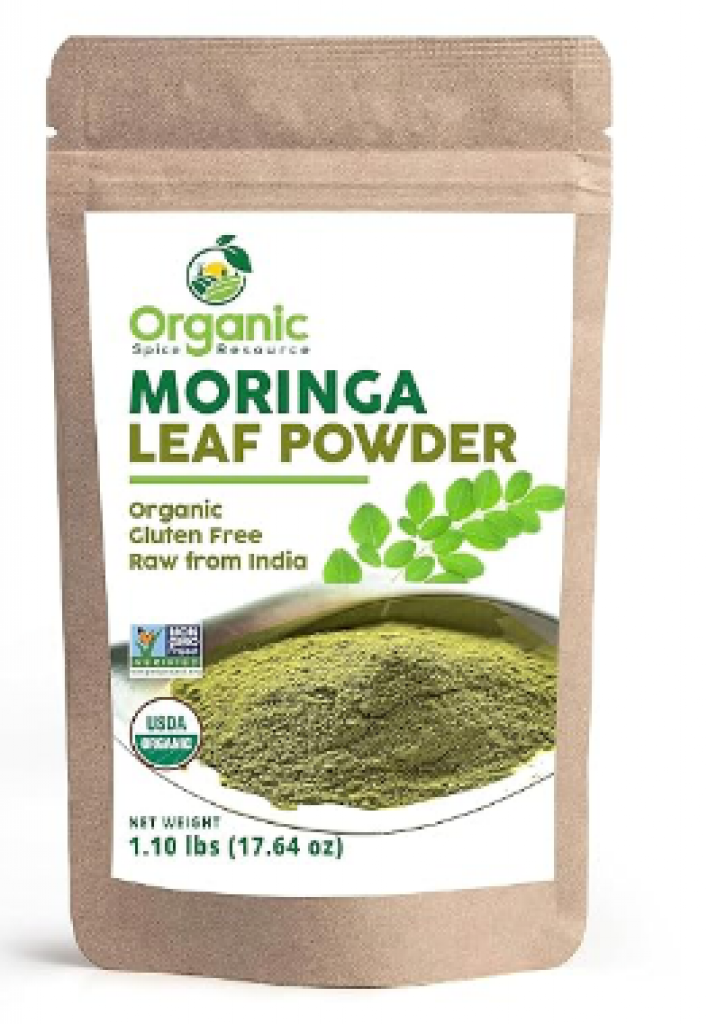
3. Moringa: A Familiar Caribbean Green with Global Reach
Moringa leaves are used as food in parts of Africa, Asia and the Caribbean, including Jamaica. Fresh or dried leaves can contribute nutrients and plant compounds, but concentration and taste vary. Calling moringa a “miracle tree” makes a memorable headline; treating it as one useful ingredient makes better nutritional sense.
Use fresh leaves in soups or cooked dishes where locally available. Moringa powder can be added sparingly to smoothies, soups or sauces. Its flavour is green and slightly bitter, so pair it with citrus, pineapple, ginger or another strong flavour you already enjoy.
4. Seaweed: Mineral-Rich, Savoury and Portion-Sensitive
Seaweed brings savoury flavour and can provide iodine, a nutrient needed for thyroid hormone production. However, iodine levels differ sharply among varieties, and more is not automatically better. People with thyroid conditions should ask a qualified healthcare professional before making high-iodine seaweed or kelp supplements a routine.
Nori sheets are an accessible starting point: crumble them over rice bowls, eggs or vegetables. Wakame can be added to soup or salad, while kombu is traditionally used to flavour broths. Treat seaweed as a flavourful food, not a licence for daily megadoses.
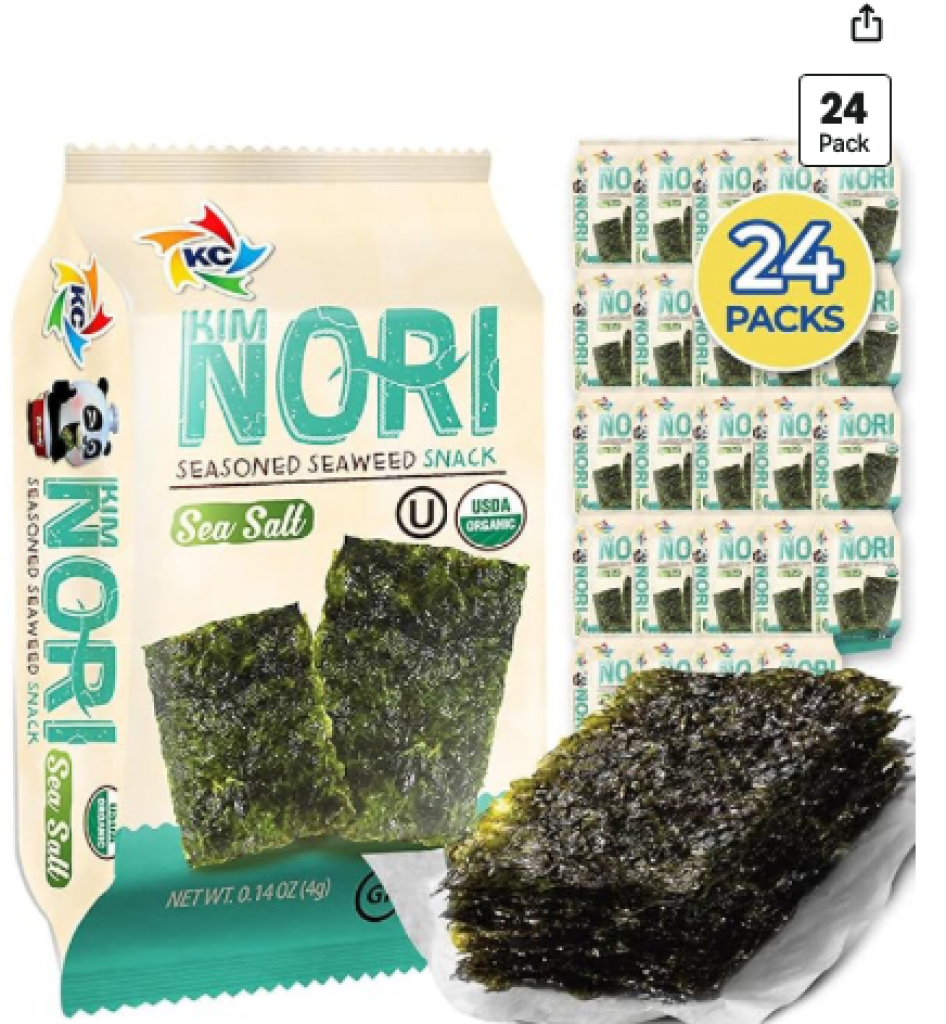
Adds savoury flavour and variety without requiring a complicated recipe.
5. Bee Pollen: Interesting, but Not for Everyone
Bee pollen contains a mixture of pollen, nectar and bee secretions, and its composition varies. It is often marketed as “nature’s multivitamin,” but strong health claims outpace the evidence. More importantly, bee products can trigger allergic reactions, especially in people with pollen allergies.
If a clinician says it is appropriate for you, follow the product label and avoid assuming that “natural” means universally safe. Anyone with pollen or bee-product allergies should skip this one. This is the exception on the list where caution deserves more attention than culinary novelty.
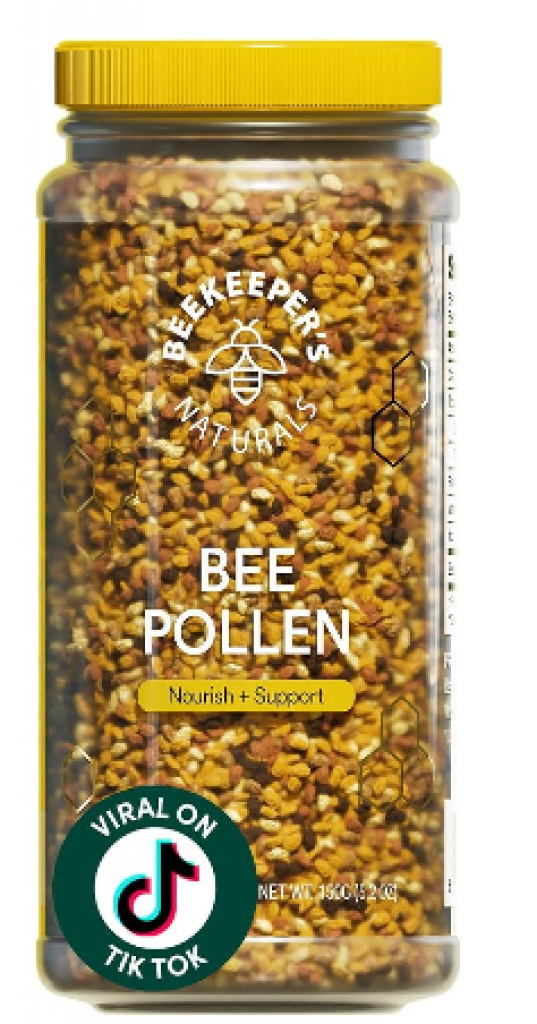
Note: some person may have an allergy risk. Please speak to your doctor
How to Build a Simple Superfood Routine
The smartest routine is the one that creates the least friction. Use the For A Better Me™ sequence to make the change realistic:
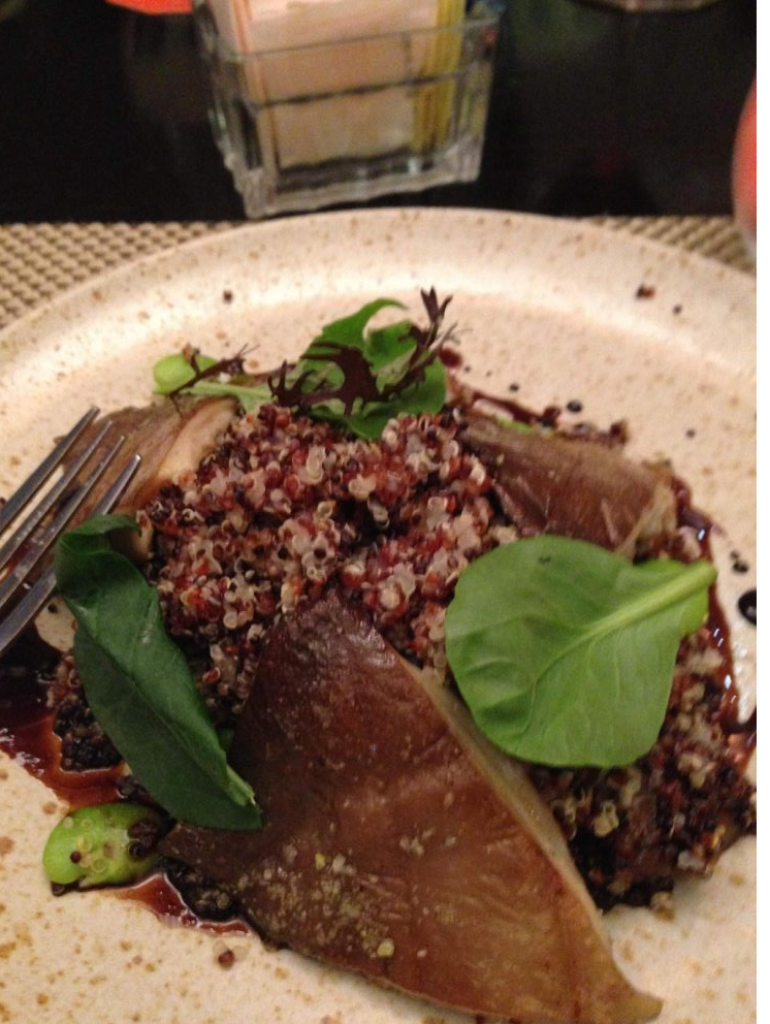
Reset: Notice What Your Body and Schedule Need
Begin with your existing meals, dietary needs and energy. If mornings are rushed, a measured smoothie ingredient may be easier than a new recipe. If chewing or digestion is difficult, speak with a healthcare professional about suitable forms rather than improvising.
Rebuild: Attach One Food to One Existing Meal
Choose one repeatable cue: hemp seeds on Tuesday oatmeal, nori with a rice bowl, or moringa in a weekend soup. A weekly food-preparation rhythm can help; the same design logic appears in How to Design a Week That Supports You.
Refine: Make the Ritual Easy and Enjoyable
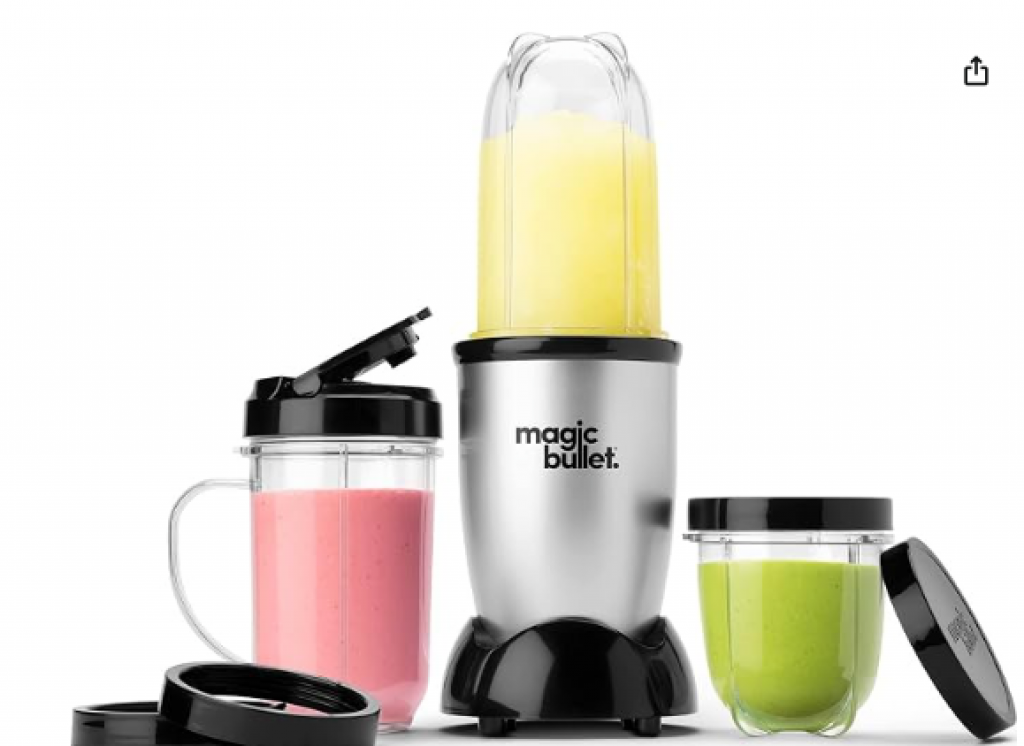
Use small glass jars, measuring spoons and a simple smoothie bottle so the routine feels orderly. Ease is not frivolous; it is part of sustainable intentional living.
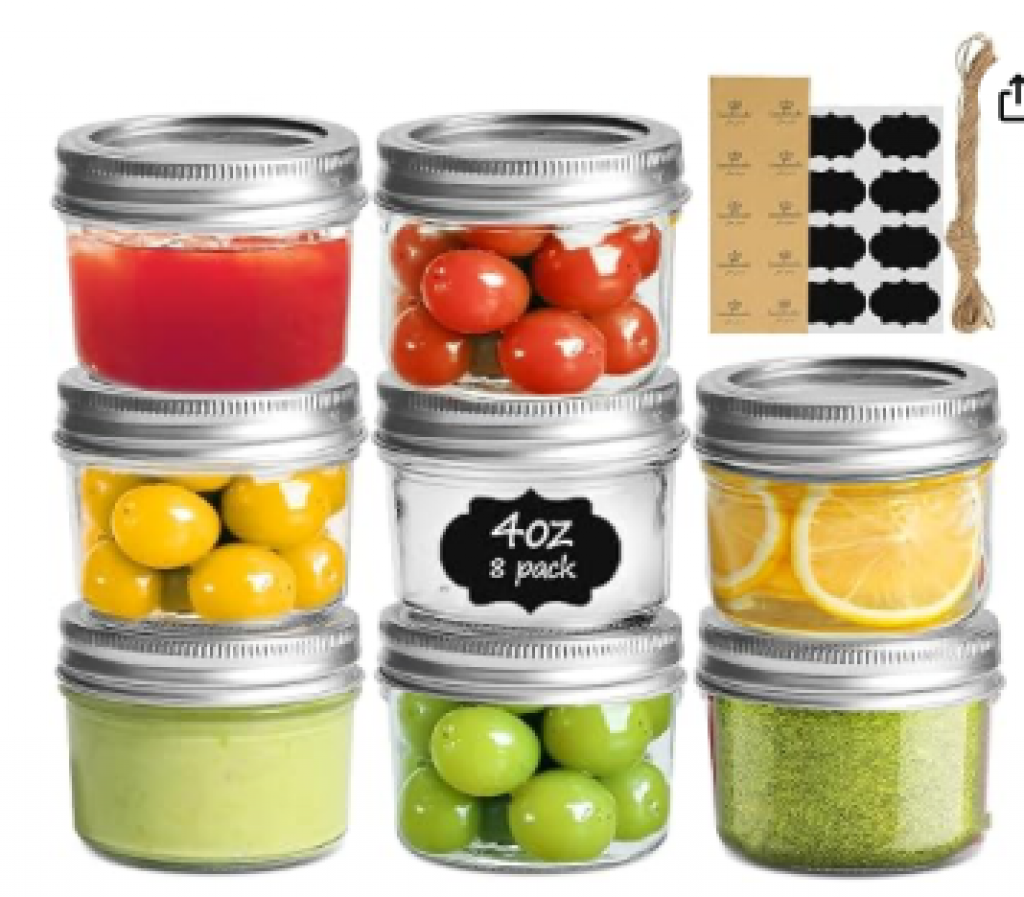
Keeps powders and seeds visible, dry and organized.
A Practical Buying Checklist
- Read the full ingredient list; simpler is usually easier to evaluate.
- Check serving size and storage instructions.
- Prefer brands that disclose sourcing and independent quality testing.
- Avoid “detox,” cure or guaranteed-result claims.
- Introduce one unfamiliar food at a time.
- For supplements, medications, pregnancy, allergies or health conditions, consult a qualified healthcare professional.
For nutrition data, consult USDA FoodData Central. For general supplement guidance, use the NIH Office of Dietary Supplements. The NCCIH allergy guidance also cautions that people with pollen allergies may react to bee products.
Frequently Asked Questions
Can superfoods replace a balanced diet?
No. They can add variety or particular nutrients, but the overall eating pattern remains more important than any one ingredient.
Should I use powders or whole foods?
Choose the form that fits the meal and your needs. Powders are convenient, but whole or minimally processed foods can offer texture and a clearer sense of portion.
Which option is easiest for beginners?
Hemp seeds or nori are usually easiest to add to familiar meals. Spirulina and moringa have stronger flavours, while bee pollen requires extra allergy caution.
Are unconventional superfoods suitable for chronic illness?
That depends on the person, condition, medicines and product. Food advice should complement—not replace—individual medical guidance.
A Better Plate Does Not Need a Complete Reinvention
The goal is not to collect fashionable ingredients. It is to make nourishment more varied, practical and enjoyable. Choose one food, attach it to one meal, and decide after a few uses whether it genuinely earns a place in your routine.
Continue with gentle healing rituals that support daily recovery, or shop the Intentional Living nourishment collection for curated tools and ingredients that make healthy routines easier.
Living Well By Design is rarely about one dramatic change. More often, it is a series of small, sensible choices that work together.